🛈 As an Amazon Associate, CeraVelas earns from qualifying purchases. If you buy through our links, Amazon pays us a small commission at no extra cost to you. That’s how we keep the site running. How we choose.
📑 Contents
What you’ll need
-
 Soy wax Waxes Buy
 -
 Cotton candle wicks Wicks Buy
 -
 Wick stickers Wicks Buy
 -
 Wick centering devices Wicks Buy
 -
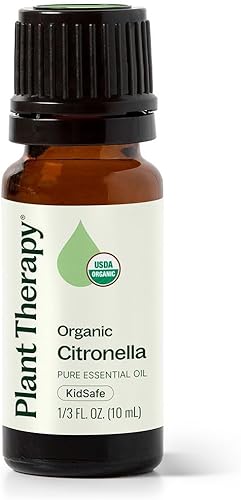 Citronella oil Fragrance oils Buy
 -
 Candle tins Containers Buy
 -
 Concrete candle vessels Containers Buy
 -
 Candle pouring pitcher Tools Buy
 -
 Candle thermometer Tools Buy
 -
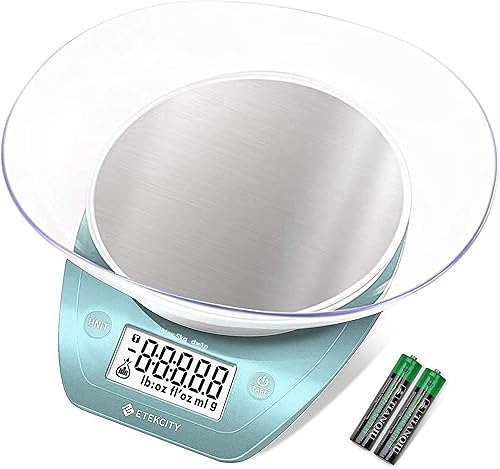 Digital scale for candle making Tools Buy
 -
 Wick trimmer Tools Buy
What you need
A citronella candle is a container candle scented with citronella oil, sometimes blended with lemongrass, eucalyptus or lavender. It lives outdoors, so the vessel needs to be sturdy and stable: wide-mouth candle tins or heavy concrete candle vessels, which stand up to wind and look great on a patio.
For three 8 oz (about 250 ml) vessels you'll need about 650 g (23 oz) of container soy wax, 50–60 g (1.8–2.1 oz) of citronella oil (8–9%), 3 generously sized pre-tabbed cotton wicks (or two wicks per vessel if it's wide), wick stickers and centering bars. Tools: a pouring pitcher, thermometer, scale and wick trimmer.
| Vessel | Typical diameter | Approx. wax | Wick |
|---|---|---|---|
| Medium tin | 2.75–3 in (7–8 cm) | 150–180 g (5.3–6.3 oz) | One, medium-large |
| Small concrete | 3.1–3.5 in (8–9 cm) | 200–230 g (7–8 oz) | One, large |
| Bucket or wide planter | 4–5.5 in (10–14 cm) | 350–600 g (12–21 oz) | Two or three wicks |
Fine-tune the amounts with the wax calculator.
Preparation
If you're using concrete vessels, make sure they're sealed on the inside. Unsealed concrete is porous and can soak up oil and stain. Clean and dry them well. Wipe tins with rubbing alcohol.
Outdoors, the flame has to deal with moving air and cooler temperatures, so people usually go a bit bigger on the wick than they would indoors for the same diameter, or use multiple wicks in wide vessels. Start with the wick calculator and test. Stick the wicks down and have your centering bars ready.
Check your citronella oil's safety data sheet: it lists the flash point, the maximum recommended load and any hazard statements. If you sell candles in the US, follow your supplier's IFRA guidance and include standard candle safety warnings.
Process
Melt the wax in a double boiler to 75–80 °C (167–176 °F). Take it off the heat and let it cool to 60–70 °C (140–158 °F). Add the citronella oil and stir for two minutes. Work out your percentage with the fragrance calculator: 6–10% is typical, never above your wax's or supplier's maximum.
Let it cool to 50–55 °C (122–131 °F) and pour slowly, leaving about 1/2 inch (1–1.5 cm) of headspace. Set the centering bars and let the candles cool indoors at room temperature, even though they'll be living outside later.
If the tops come out uneven, hit them with a heat gun or top off with a little reserved wax.
Curing
Cure the candles for about 7 days, lidded or covered with plastic wrap. Citronella is a strong scent and comes through quickly, but a week lets the wax take it in properly and helps the candle burn more steadily. More in the curing guide.
First burn
Set the candle on a stable, nonflammable surface out of strong wind: a stone table, a low wall or the patio floor. Trim the wick to about 1/4 inch (6 mm) and let the melt pool reach the edge on the first burn.
Wind can make the flame flare, smoke or melt one side faster. If that happens, snuff it out and wait for the breeze to die down. Don't move it while the wax is liquid, keep it away from kids and pets, and never leave it burning unattended. Always test burn one candle from each batch.
As for what it does: citronella smells great and sets an outdoor mood, but it's no substitute for other ways of protecting yourself from bugs.
For a patio table, two or three candles spread around usually work better than one huge one. Place them upwind of where people are sitting and well away from umbrellas, awnings and cushions.
Variations and ideas
- Herbal blend: mix citronella with lemongrass and a hint of lavender for a scent that's less "campground."
- Big multi-wick candles: in wide concrete buckets, three wicks give you a full melt pool.
- Travel tins: perfect for camping; see how in candles in tins.
- From leftovers: use reclaimed wax for outdoor candles following recycled candles.
Troubleshooting
Weak flame or it keeps going out
The wick is too small for outdoor use. Go up a size or use two wicks.
Lots of smoke
Wind, a long wick or too much oil. Trim the wick and lower the percentage.
Oil stains on concrete
The vessel wasn't sealed. Use sealed concrete or tins.
Barely any scent
Not enough cure time or too little oil. Remember that scent disperses much more outdoors. More help in the troubleshooting guide.
Step by step
- 1 Clean the tins or sealed concrete vessels and dry them thoroughly.
- 2 Stick generously sized wicks in the center (or several in wide vessels).
- 3 Weigh out about 650 g (23 oz) of soy wax and 50–60 g (1.8–2.1 oz) of citronella oil.
- 4 Melt the wax in a double boiler to 75–80 °C (167–176 °F).
- 5 Cool to 60–70 °C (140–158 °F), add the citronella oil and stir for two minutes.
- 6 Wait until the wax reaches 50–55 °C (122–131 °F).
- 7 Pour slowly, leaving 1/2 inch of headspace, and set the centering bars.
- 8 Let the candles cool indoors at room temperature and smooth the tops if needed.
- 9 Cure them, covered, for about 7 days.
- 10 Trim the wick to 1/4 inch and test burn outdoors, sheltered from the wind.
Tips
- Heavy concrete vessels handle wind much better than lightweight ones.
- Use slightly larger wicks than indoors, or multiple wicks in wide vessels.
- Stick to the maximum citronella load on the oil's safety data sheet.
- Bring candles inside when you're not using them; sun and rain ruin them.
- Keep a candle snuffer handy on the patio.
Mistakes to avoid
- Promising they keep mosquitoes away: it's a scented candle, not a registered repellent.
- Using unsealed concrete: it soaks up oil and stains.
- Lighting it in strong wind: smoke, drips and a risk of nearby things catching fire.
- Going over the maximum citronella load: the candle sweats and smokes.
- Leaving it burning unattended in the yard.
⚡ Our top picks: soy wax
Stock checked on October 6, 2026

The best soy wax for citronella candles
American Soy Organics Freedom Soy Wax Beads, All-Natural Candle Wax, 5 lbs
American Soy Organics Freedom Soy Wax Beads, All-Natural Candle Wax, 10 lbs

American Soy Organics Freedom Soy Wax Beads, All-Natural Candle Wax, 1 lb
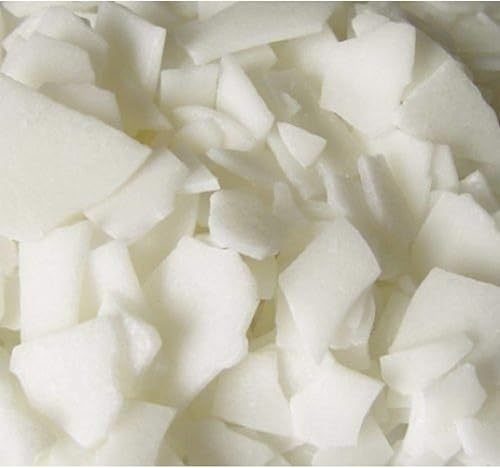
The Candlemaker's Store Natural Soy Wax, 10 lb. Bag
Hearth & Harbor Organic Candle Wax, Pure Soy Wax for Candle Making, 10 lbs

Hearth & Harbor Organic Candle Wax, Pure Soy Wax for Candle Making, 5 lbs
CeraVelas score: combines the average rating and the number of customer reviews on Amazon.
Frequently asked questions
Do citronella candles keep mosquitoes away?
Their scent sets the mood outdoors and lots of people use them in summer, but they're not a guaranteed repellent. Use them alongside other protection.
How much citronella oil goes in a candle?
Usually 6–10% of the wax weight, without going over your supplier's maximum.
What's the best vessel for outdoor candles?
Wide-mouth metal tins or heavy, sealed concrete vessels that stay put in the wind.
Can I burn citronella candles indoors?
You can, but the scent is very strong for indoor spaces. They're designed for patios and backyards.
Do I need labels if I sell them?
Yes. Citronella oil often carries hazard statements on its SDS; follow your supplier's IFRA guidance and use clear candle safety warning labels.
More projects to make at home