🛈 As an Amazon Associate, CeraVelas earns from qualifying purchases. If you buy through our links, Amazon pays us a small commission at no extra cost to you. That’s how we keep the site running. How we choose.
📑 Contents
⚡ Our top picks: citronella oil
Stock checked on October 6, 2026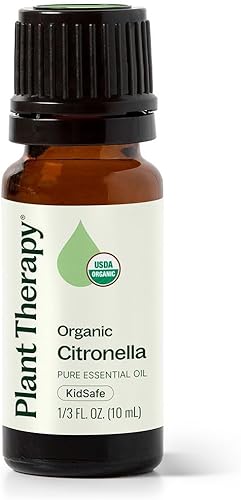
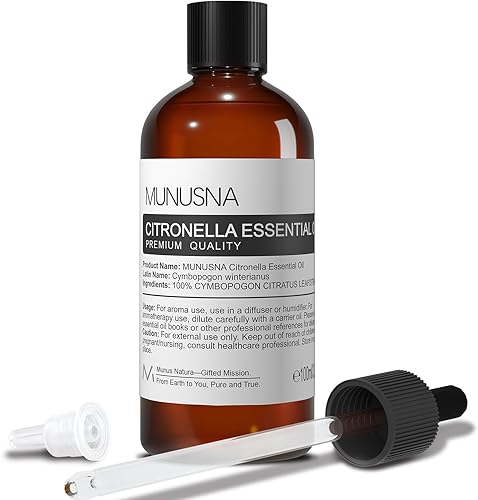

Best citronella oil in stock
Plant Therapy Organic Citronella Essential Oil 10 mL (1/3 oz), USDA Organic
NOW Essential Oils, Citronella Oil, Undiluted, Steam Distilled, 4 fl. oz

Handcraft Blends Citronella Essential Oil - 1 Fl Oz
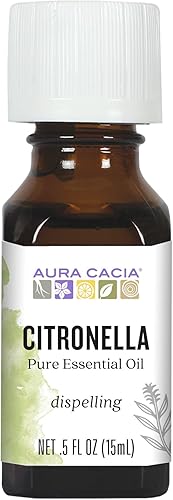
Aura Cacia Java Citronella Essential Oil, 0.5 Fl Oz
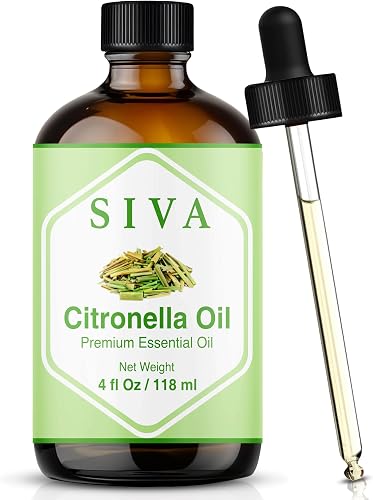
Siva Citronella Essential Oil, Glass Bottle with Dropper, 4 Fl Oz (118 ml)
Citronella Essential Oil for Skin Hair Care, Massage, Aromatherapy
See more citronella oil on Amazon →
CeraVelas score: combines the average rating and the number of customer reviews on Amazon.
What citronella oil is
Citronella is an aromatic grass closely related to lemongrass. Its essential oil is steam-distilled from the leaves and has a strong, citrusy, slightly herbal smell. In candle making you’ll find two different products under the same name: citronella essential oil, which is 100% botanical, and citronella fragrance oil, a candle-grade blend that recreates the scent and sometimes contains some essential oil.
Let’s be realistic: citronella is traditionally associated with keeping mosquitoes away, but the effect of a candle is modest and depends heavily on wind, space and distance. Think of it as part of your patio atmosphere, not a replacement for insect repellent or screens. And always burn it outdoors or in a very well-ventilated space.
Types and blends
Citronella on its own is instantly recognizable, but it can smell a bit flat. Many candle makers blend it with other oils that boost the fresh character and add depth:
- Lemongrass: amplifies the citrus note.
- Eucalyptus: adds a cool, balsamic freshness.
- Geranium: softens it with a floral touch.
- Cedarwood: provides a woody base that anchors the blend.
| Option | Scent | Throw in a candle | Choose it when |
|---|---|---|---|
| Citronella essential oil | Natural, strong, herbal | Medium | You want a 100% botanical candle |
| Citronella fragrance oil | Rounder and more stable | Good | You want more throw and consistency |
| Blend with lemongrass and eucalyptus | Fresh and layered | Medium to good | You want a less one-note scent |
How much to use
In soy or other natural wax blends, a typical load is 6–10% of the wax weight, always within the maximum on your wax and oil data sheets. Weigh it on a scale and use the fragrance calculator to get it right. More oil doesn’t mean more effect: overloading makes the candle sweat and burn poorly.
How to make a citronella candle
- Pick a sturdy outdoor vessel: candle tins or concrete candle vessels work great.
- Outdoor vessels tend to be wide and there’s often a breeze, so use a robust wick or several; HTP wicks are a good match for natural waxes.
- Melt the wax in a double boiler, add the weighed oil at the temperature your wax maker recommends and stir for about 2 minutes.
- Pour, let it cool away from drafts, then cover and cure for one to two weeks.
- Test burn outdoors in a spot sheltered from the wind.
You’ll find the full walkthrough in our citronella candle project.
Common mistakes
- Promising it "gets rid of" mosquitoes. It’s a pleasant scent with a limited effect; don’t market it as a repellent.
- Burning it indoors. The scent is intense and the candle is designed for outdoor use.
- Using a small wick in a wide vessel. In the wind it will tunnel or blow out.
- Heating the oil on its own. Always respect the flash point listed by your supplier.
- Leaving it burning unattended, especially near umbrellas, dry plants or tablecloths.
A final tip: citronella candles look best when they match your outdoor space. Simple tins, rustic concrete or terracotta-style vessels all suit a patio, and a lid keeps the scent fresh between uses. Store finished candles somewhere cool and dark so they’re ready when summer comes around.
Pros and cons
👍 Pros
- ✓ Fresh, instantly recognizable scent
- ✓ Available as essential oil and fragrance oil
- ✓ Blends well with other herbal oils
- ✓ Perfect for outdoor candles
👎 Cons
- ✗ Limited effect on bugs
- ✗ Too strong for indoor use
- ✗ Pure essential oil has moderate throw
- ✗ Needs proper safety labeling if you sell
How to use citronella oil, step by step
- Choose an outdoor vessel and a robust wick.
- Calculate the oil amount from your wax weight.
- Melt the wax in a double boiler.
- Add the oil at the recommended temperature and stir.
- Pour, cover and let it cure.
- Test burn outdoors, sheltered from the wind.
Tips
- Add 20–30% lemongrass to the blend for a brighter scent.
- Use vessels with tall sides to protect the flame from wind.
- Label the candle "for outdoor use."
- Store candles with lids on so they keep their scent until summer.
Projects with citronella oil
Related supplies
 🌿 Fragrance oils Essential oils for candles Essential oils let you make candles with a 100% botanical scent. They smell wonderful, but throw less than fragrance oils and need a little more care. See guide →
  🌸 Fragrance oils Fragrance oils Candle fragrance oils are scent blends formulated to handle the heat of wax and fill a room with fragrance, both before and while the candle burns. See guide →
 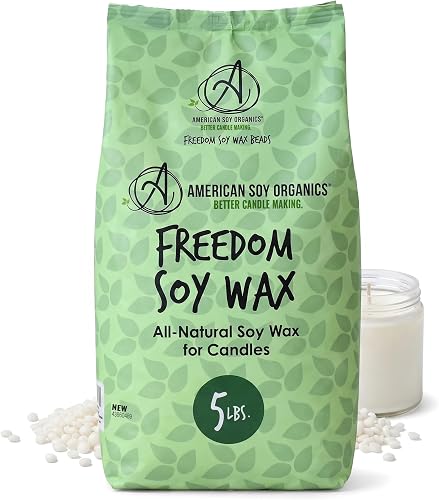 🫘 Waxes Soy wax Soy wax is the go-to natural wax for container candles: creamy, beginner-friendly and known for a slow, clean burn. See guide →
  🥫 Containers Candle tins Metal candle tins are light, unbreakable and perfect for travel candles, gifts and craft fairs. Pick seamless tins with a good lid and you can make clean, reliable candles in any size. See guide →
  🪨 Containers Concrete candle vessels Concrete candle vessels bring a modern, minimalist look to homemade candles. They are sturdy and heavy, but they need a proper seal so wax and fragrance oil do not soak in. See guide →
  🔥 Wicks HTP wicks HTP wicks are built for thick natural waxes and heavily scented formulas: a strong, steady flame, little soot and great ability to draw wax up. See guide →
 Frequently asked questions
Do citronella candles keep mosquitoes away?
The effect is modest and depends on wind and distance. They add to the atmosphere but aren’t a substitute for insect repellent.
How much citronella oil should I use?
In natural wax, typically 6–10% of the wax weight, without exceeding the maximum on the data sheet.
Is citronella essential oil or fragrance oil better?
Essential oil is 100% natural; fragrance oil usually throws more and is more stable. Many makers use a mix of both.
Can I burn a citronella candle indoors?
It’s not recommended. The scent is very strong, and these candles are designed for outdoors or very well-ventilated spaces.
What wick works best for a citronella candle?
A robust wick or multiple wicks, since outdoor vessels are usually wide. HTP wicks work well in natural waxes; confirm with a test burn.