🧈 Candle making waxes
Wax determines how your candle smells, how long it burns and how it looks. Here they all are, with their temperatures, fragrance load and what each one is best for.
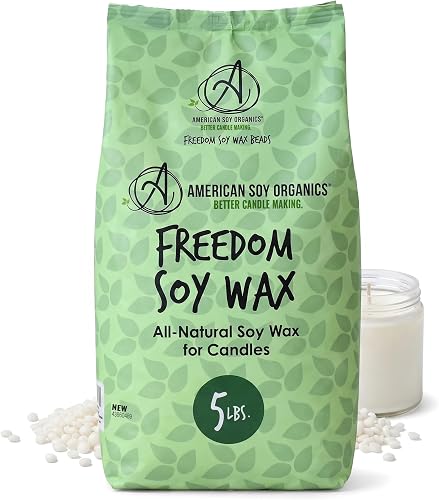 🫘 Waxes Soy wax Soy wax is the go-to natural wax for container candles: creamy, beginner-friendly and known for a slow, clean burn. See guide →
  🥥 Waxes Coconut wax Coconut wax is the wax behind many luxury candles: bright white, creamy and known for excellent cold and hot throw. See guide →
 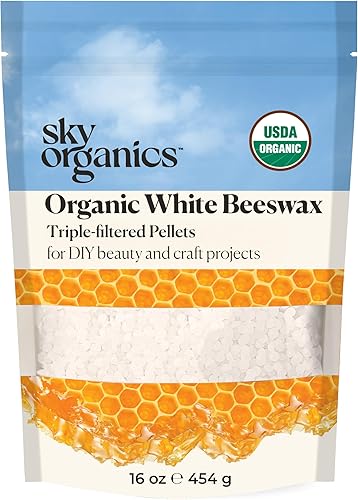 🐝 Waxes Beeswax Beeswax is the original natural candle wax: it burns for hours with a golden flame and smells softly of honey even without added fragrance. See guide →
  🕯️ Waxes Paraffin wax Paraffin wax is the most versatile and affordable candle wax: it takes bold colors, releases easily from molds and delivers the strongest scent throw. See guide →
  🧊 Waxes Wax melt wax Wax melt wax is made for wickless melts and tarts: firm enough to pop cleanly out of clamshells and able to carry a lot of fragrance oil. See guide → 🌼 Waxes Rapeseed wax Rapeseed wax, also called canola wax, is a European-grown alternative to soy: creamy, smooth-topped and known for a lovely hot throw. See guide →
  🌴 Waxes Palm wax Palm wax is the classic hard plant wax: great for pillars and famous for its feathery, frost-like crystal patterns. See guide →
  💎 Waxes Gel wax Gel wax lets you make crystal-clear candles with decorative embeds inside, but it demands more care than any traditional wax. See guide →
  💆 Waxes Massage candle wax Massage candle wax melts close to body temperature and turns into a warm, silky oil you can pour onto the skin. See guide →
  🏛️ Waxes Pillar candle wax Pillar wax is a hard, high-melt blend made for freestanding candles that hold their shape without a container. See guide →
 How to choose a wax
The first question is what you’re making. For candles in jars or tins, soft soy, rapeseed or coconut waxes stick well to the glass and give a smooth top. For pillar or molded candles you need a harder wax, such as paraffin, beeswax or a dedicated pillar blend. For wax melts, look for a wax with a strong cold throw that releases cleanly from the mold.
Next, think about scent: paraffin and coconut blends have a stronger hot throw, while pure soy is softer but very forgiving. Finally, think about origin: if you want a vegan, plant-based candle, soy, rapeseed and coconut are the usual choices.
Temperatures: what matters most
Every wax has its own melt point, ideal temperature for adding fragrance oil and pour temperature. Sticking to them is the difference between a smooth candle and one with cracks, frosting or sinkholes. You’ll find them on each wax’s page.
Frequently asked questions
What’s the best wax for beginners?
Soy wax for container candles: it’s easy to work with, cleans up with soap and water and forgives small temperature mistakes.
Can I mix different waxes?
Yes, many commercial waxes are already blends (soy-coconut, paraffin-soy). If you blend your own, run small tests and write down the ratios, because they change the wick size and fragrance load the wax can handle.
Is soy wax better than paraffin?
It depends on what you want. Soy is plant-based and burns more slowly; paraffin has a stronger hot throw and releases from molds more easily. See our full comparison on the site.
Projects with these supplies