🛈 As an Amazon Associate, CeraVelas earns from qualifying purchases. If you buy through our links, Amazon pays us a small commission at no extra cost to you. That’s how we keep the site running. How we choose.
📑 Contents
⚡ Our top picks: wax melt wax
Stock checked on October 6, 2026


Best wax melt wax in stock
American Soy Organics Freedom Soy Melt Wax for DIY Candle Making, 5 lbs

Wax Melts Molds Silicone,Square Candle Mold Silicone Molds for Wax Melts
Wax Melt Molds - 100 Pack Clear Plastic Clamshells for Wickless Candles
KQU Electric Wax Melting Pot for Candle Making with Thermometer 50oz
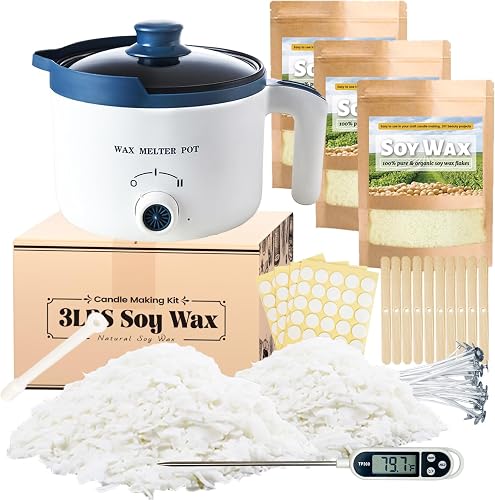
3lbs Soy Wax Melt Making Kit with Electric Wax Melting Pot

Wax Melting Pot Kit with Digital Scale(No Battery), Heat Gun, Thermometer
See more wax melt wax on Amazon →
CeraVelas score: combines the average rating and the number of customer reviews on Amazon.
What wax melt wax is
Wax melts (also called tarts) are small pieces of scented wax with no wick that you melt in a tea-light or electric warmer to fragrance a room. Since they never burn, the wax has different priorities: strong scent throw, enough firmness to release cleanly from molds and clamshells, and no "sweating" of fragrance oil over time.
That's why a straight, soft container wax, like a typical container soy, often falls short: it sticks to the mold and dents easily. Melt waxes are slightly harder blends with a slightly higher melt point.
Types and grades
- Pillar or melt soy: such as Golden Brands 415, EcoSoya Pillar or KeraSoy Pillar & Melt; plant-based and easy to release.
- Paraffin-soy blends: such as IGI 4630; excellent throw and a smooth finish.
- Paraffin melt wax: maximum scent power and vivid colors.
- Soy-coconut blends: creamy and very fragrant, a bit softer.
If it's your first time, a wax melt kit bundles wax, molds and compatible fragrance oils.
Key data
| Property | Typical value |
|---|---|
| Melt point | 50–60 °C (122–140 °F) |
| Add fragrance at | 75–85 °C (167–185 °F) |
| Pour temperature | 60–70 °C (140–158 °F) |
| Max fragrance load | up to 12% (per spec sheet) |
| Use | wax melts for warmers |
| Wick | none needed |
| Cure time | 2–7 days |
| Approx. density | 0.90 g/ml |
| Vegan | Yes (most blends) |
Pros and cons
It's the easiest way to get started: no wicks to choose, no test burns, cheap molds and a seriously fragrant result. The catches: with so much fragrance oil, you need to respect the spec sheet's maximum; some blends frost; and if the wax is too soft, it sticks to molds. Many blends also contain paraffin, so they're no longer fully plant-based.
How to work with it
Weigh your wax and melt it in a double boiler or pouring pitcher. At 75–85 °C (167–185 °F), add your fragrance oil (work out the amount with our fragrance calculator) and stir gently for two minutes. For color, add a little mica powder or candle dye. Let it cool to 60–70 °C (140–158 °F) and pour into silicone wax melt molds or clamshells. Wait until they're completely set before unmolding, then cure for two days to a week so the scent can settle in.
Fragrance (and why there's no wick)
Melts don't have a wick: the warmer melts the wax and releases the scent without a flame in the wax itself. That's why you can use more fragrance than in a candle, typically 8–12%, but never more than the manufacturer's maximum. More isn't always better: past the limit, oil separates and the melts sweat. Our fragrance load guide goes deeper. If you add glitter, choose cosmetic-grade or biodegradable glitter and use it sparingly.
Common problems
- Stuck in clamshells or molds: pour cooler, or pop the mold in the freezer for a few minutes before unmolding.
- Sweating oil: too much fragrance; lower the load.
- White frosting: typical of soy; hide it with mica or use a paraffin blend.
- Weak scent: cure longer, try a different warmer, or raise the fragrance load without exceeding the max.
For a full walkthrough, see our homemade wax melts project. And remember: never leave a warmer on unattended, and if you sell melts, follow your supplier's IFRA certificate and label them with the required safety warnings.
What wax melt wax is used for
- Wax melts in silicone molds
- Clamshell melts to sell
- Colorful melts with mica
- Sample melts to test new fragrance oils
Pros and cons
👍 Pros
- ✓ Very beginner-friendly
- ✓ Handles high fragrance loads
- ✓ Releases easily from molds
- ✓ No wick sizing needed
- ✓ Strong scent throw
👎 Cons
- ✗ Easy to overdo the fragrance
- ✗ Some blends frost
- ✗ Many blends contain paraffin
- ✗ Needs a few days to cure
How to use wax melt wax, step by step
- Weigh your wax based on the volume of your molds.
- Melt the wax in a double boiler or pouring pitcher.
- At 75–85 °C (167–185 °F), add fragrance oil (8–12%, max per spec sheet).
- Stir gently for two minutes.
- Add mica or dye if you want color.
- Let it cool to 60–70 °C (140–158 °F) and pour into molds or clamshells.
- Unmold once fully cooled.
- Cure 2–7 days before using or packaging.
Tips
- If a melt won't release, a few minutes in the freezer usually does the trick.
- Label every batch with the fragrance oil and load.
- Use mica to hide frosting and add shimmer.
- Store melts in sealed containers to keep the scent fresh.
- Test each fragrance in your own warmer before making big batches.
Projects with wax melt wax
Wax melt wax vs other waxes
- Wax melt wax vs Soy wax
- Wax melt wax vs Rapeseed wax
- Wax melt wax vs Coconut wax
- Wax melt wax vs Beeswax
- Wax melt wax vs Paraffin wax
- Wax melt wax vs Palm wax
- Wax melt wax vs Gel wax
- Wax melt wax vs Massage candle wax
- Wax melt wax vs Pillar candle wax
Related supplies
 🧊 Molds Wax melt molds Wax melt molds turn scented wax into neat little cubes, shapes or snap bars ready for an electric or tealight warmer, with no wick needed. See guide →
  🌸 Fragrance oils Fragrance oils Candle fragrance oils are scent blends formulated to handle the heat of wax and fill a room with fragrance, both before and while the candle burns. See guide →
  ✨ Dyes Mica powder Mica powder adds pearly shimmer and color to wax melts and candle surfaces. Just remember: it doesn’t dissolve in wax, so it shouldn’t go in the wax that burns around a wick. See guide →
 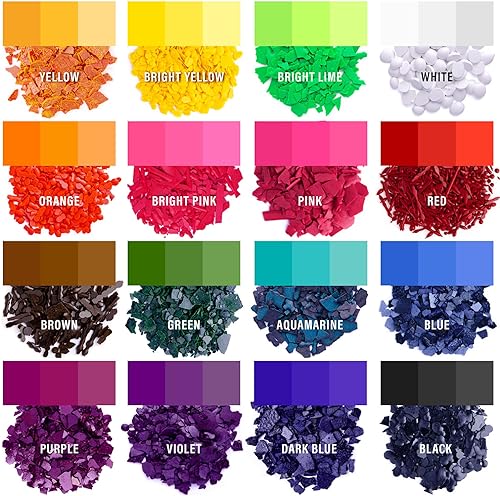 🎨 Dyes Candle dye chips Candle dye chips are concentrated oil-soluble colorants pressed into small chips: the easiest, cleanest way to color your wax. See guide →
  🫕 Tools Candle pouring pitcher A candle pouring pitcher is the one tool every candle maker uses on every single batch: you melt the wax in it, stir in the fragrance and pour straight into your jars without a mess. See guide →
  🌡️ Tools Candle thermometer A candle thermometer takes the guesswork out of melting, adding fragrance and pouring, and it is the single biggest upgrade to the look and scent throw of your candles. See guide →
 Frequently asked questions
Can I make wax melts with regular soy wax?
You can, but container soy is soft and may stick to molds or deform. A pillar soy or a blend designed for melts works much better.
How much fragrance oil goes in wax melts?
Usually 8–12% of the wax weight, never above the spec sheet's maximum. Beyond that, the wax will sweat oil.
Do wax melts need to cure?
Yes, though less than candles: two days to a week is usually enough for the scent to reach its best.
Why are my wax melts sticking to the mold?
Usually because the wax was poured too hot or is too soft. Pour cooler, switch to a firmer wax, or chill the mold in the freezer for a few minutes.