🛈 As an Amazon Associate, CeraVelas earns from qualifying purchases. If you buy through our links, Amazon pays us a small commission at no extra cost to you. That’s how we keep the site running. How we choose.
📑 Contents
What you’ll need
-
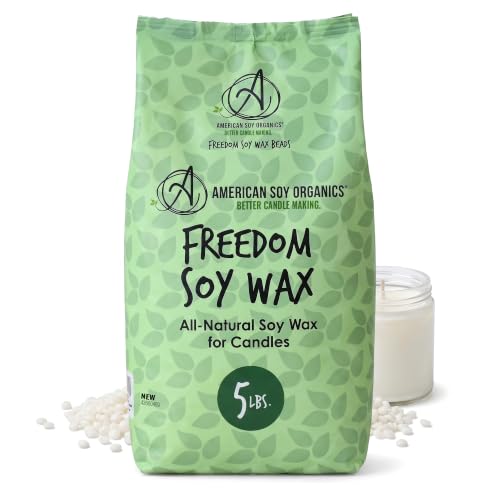 Soy wax Waxes
-
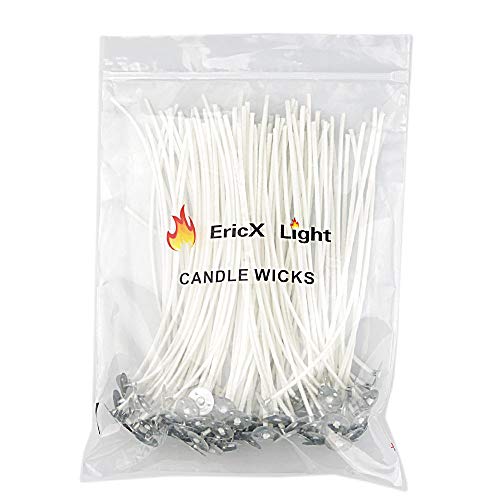 Cotton candle wicks Wicks
-
 Wick stickers Wicks
-
 Wick centering devices Wicks
-
 Fragrance oils Fragrance oils
-
 Candle tins Containers
-
 Candle pouring pitcher Tools
-
 Candle thermometer Tools
-
 Digital scale for candle making Tools
-
 Heat gun for candles Tools
-
 Wick trimmer Tools
What you need
Candle tins are seamless aluminum or tinplate containers made to handle the heat of a flame. Food cans and cookie tins won't do: they may have interior coatings that can't take the heat or seams that leak wax.
For a batch of six 4 oz tins you'll need about 500 g (17.6 oz) of container soy wax, 40 g (1.4 oz) of fragrance oil for an 8% load, 6 pre-tabbed cotton wicks, wick stickers and centering bars. Tools: a pouring pitcher, thermometer, scale, heat gun and wick trimmer. Coconut and rapeseed blends also work beautifully in tins.
Use this chart to estimate wax by tin size (approximate, leaving about 3/8 inch of headspace):
| Tin size | Typical diameter | Wax per tin | Fragrance at 8% |
|---|---|---|---|
| 2 oz | 2–2.4 in (5–6 cm) | 45–50 g (1.6–1.8 oz) | 4 g |
| 4 oz | 2.6–3 in (6.5–7.5 cm) | 80–95 g (2.8–3.4 oz) | 7 g |
| 8 oz | 3.1–3.5 in (8–9 cm) | 160–180 g (5.6–6.3 oz) | 14 g |
For exact numbers, use the wax calculator.
Preparation
Wipe the inside of each tin with a cloth and rubbing alcohol to remove any manufacturing oil. Set them on a sheet pan: metal conducts heat, and it's handy to be able to move them all at once.
The wick is the trickiest part with tins. Tins are usually wide and shallow, so the melt pool forms quickly and the metal heats up. A wick that's too big makes the tin hot to the touch and the flame tall; one that's too small tunnels. Start with what the wick calculator suggests for that diameter, and if you're torn between two sizes, the smaller one usually wins in tins. Stick the tab in the center with a wick sticker.
Process
Melt the wax in a double boiler to 75–80 °C (167–176 °F). Take it off the heat and let it cool to 60–70 °C (140–158 °F), then add the fragrance and stir gently for two minutes. Work out your percentage with the fragrance calculator and stay under your wax's maximum.
Let it cool to 50–55 °C (122–131 °F) and pour slowly. Small tins fill up fast, so use a pitcher with a good spout and leave about 3/8 inch (1 cm) of headspace so the lid closes without touching the wick. Set the centering bars.
Metal cools faster than glass, so the tops can end up with small marks. If that happens, give them a light pass with the heat gun once the candles are solid. Don't put the lids on until the wax is completely cool.
Curing
Like any scented soy candle, tin candles need about 14 days to cure, lidded and at room temperature. The lid helps hold in the fragrance while they cure. If you're labeling them, this is a good time to add the label to the bottom or lid. More in the curing guide.
First burn
Trim the wick to about 3/16 inch (5 mm), a little shorter than in a jar since tins are shallow. Always set the tin on a heat-safe surface or coaster: the bottom and sides get hot and can mark furniture. Let the melt pool reach the edge, usually in 1.5–2 hours, and don't move it while the wax is liquid. Never leave it unattended, and never light it inside a bag or with the lid sitting nearby. Always test burn one tin from every batch.
Variations and ideas
- Travel set: three 2 oz tins in different scents in a little cloth pouch.
- Citronella for outdoors: tins are great on the patio; see citronella candles.
- Massage: wide-mouth tins work well for massage candles.
- Reused tins: clean out finished candle tins for your recycled candles.
- To sell: tins keep shipping costs down; get tips in our guide to selling candles.
Troubleshooting
The tin gets too hot
The wick is too big for a shallow tin. Drop a size and trim before every burn.
Tunneling
Wick too small or burns too short. Try one size up and let the first burn reach the edge.
Pitted or rough tops
Poured too hot, or the metal cooled the wax too quickly. Pour cooler and touch up with a heat gun.
Wax leaks out
The tin has seams. Use seamless tins made for candles. More help in the troubleshooting guide.
Step by step
- 1 Wipe the inside of the tins with rubbing alcohol and set them on a sheet pan.
- 2 Stick a pre-tabbed wick in the center of each tin.
- 3 Weigh out about 500 g (17.6 oz) of soy wax and 40 g (1.4 oz) of fragrance oil, an 8% load.
- 4 Melt the wax in a double boiler to 75–80 °C (167–176 °F).
- 5 Cool to 60–70 °C (140–158 °F), add the fragrance and stir for two minutes.
- 6 Wait until the wax reaches 50–55 °C (122–131 °F).
- 7 Pour slowly, leaving 3/8 inch of headspace, and set the centering bars.
- 8 Once solid, smooth the tops with a heat gun if needed.
- 9 Put the lids on only after the wax is completely cool.
- 10 Cure the candles for about 14 days.
- 11 Trim the wick to 3/16 inch and test burn on a heat-safe surface.
Tips
- Use seamless tins made for candles; food cans aren't safe.
- In wide, shallow tins, if you're torn between two wicks, test the smaller one first.
- Always put a coaster under a burning tin; the metal gets hot.
- Label the bottom with the scent and safety warnings.
- Store tins with lids on to hold in the fragrance.
Mistakes to avoid
- Using food cans or decorative boxes: they may have unsuitable coatings or seams that leak.
- Choosing a wick that's too big: the tin gets very hot and the flame grows.
- Putting the lid on while the wax is warm: condensation forms and ruins the top.
- Filling to the rim: the lid touches the wick and won't close properly.
- Setting a burning tin directly on wood or plastic.
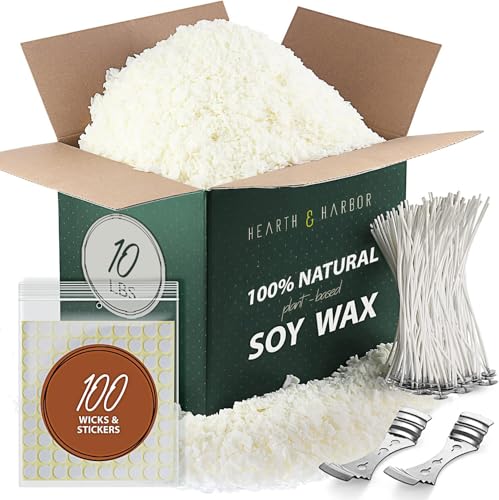
The best soy wax for candles in tins
American Soy Organics Freedom Soy Wax Beads, All-Natural Candle Wax, 5 lbs



Frequently asked questions
Are candle tins safe?
Yes, as long as they're seamless tins made for candles and you use the right wick. They get hot, so set them on a heat-safe surface.
How much wax does a 4 oz tin hold?
About 80–95 g (2.8–3.4 oz) of soy wax, leaving a little headspace at the top.
What's the best wax for tin candles?
Container soy is the most common. Coconut and rapeseed blends also stick well to metal.
Can I reuse candle tins?
Yes. Clean out leftover wax with hot water, pop out the old wick tab and wash them before reusing.
Do tin candles need to cure?
Yes, like any scented soy candle: about two weeks with the lid on.
You might also like
- 🦟 TutorialHow to Make Citronella Candles for OutdoorsMake citronella candles for the patio and backyard: the wax, how much citronella oil, tins or concrete vessels, wicks for outdoors, temps and safety tips.
- 🕯️ TutorialHow to Make Scented Candles in Jars: Step by StepLearn how to make scented jar candles that actually smell: which wax to pick, how much fragrance oil to add, pour temps in °F and °C, curing and first burn.
- 🌱 TutorialHow to Make Soy Candles: A Step-by-Step GuideHow to make soy candles at home: the key temperatures in °F and °C, cotton vs wood wicks, how to prevent frosting and wet spots, curing time and your test burn.
- 🌸 Fragrance oilsFragrance oilsCandle fragrance oils explained: how they differ from essential oils, what fragrance load to use for each wax, when to add them, safety and common mistakes.
- 🫕 ToolsCandle pouring pitcherCandle pouring pitcher guide: aluminum vs. stainless steel, sizes in lbs and quarts, how to melt wax safely in a double boiler, cleaning and common mistakes.
- 🌡️ ToolsCandle thermometerCandle thermometer guide: digital probe vs. clip-on, the range you need, melt, fragrance and pour temperatures in °F and °C, plus cleaning and calibration.
- 🕯️ GuideHow to Make Candles at Home: Step by Step for BeginnersSupplies, wax, wicks, fragrance oil, temperatures and step-by-step instructions: everything you need to make your first container candle at home, safely.
- ♻️ TutorialHow to Make Recycled Candles From Leftover WaxTurn old candle stubs into new candles: sorting by wax type, cleaning and straining the wax, picking a new wick, temperatures in °F and °C and a test burn.