🛈 As an Amazon Associate, CeraVelas earns from qualifying purchases. If you buy through our links, Amazon pays us a small commission at no extra cost to you. That’s how we keep the site running. How we choose.
📑 Contents
⚡ Our top picks: digital scale for candle making
Stock checked on October 6, 2026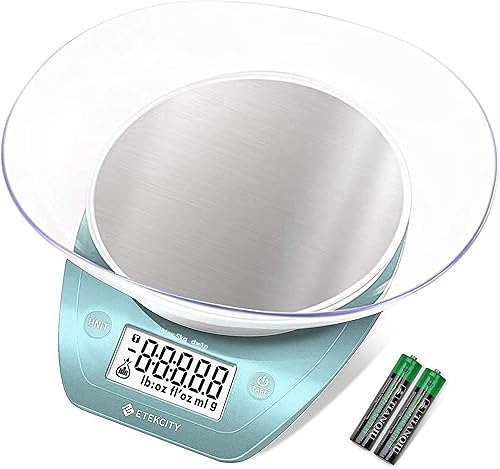
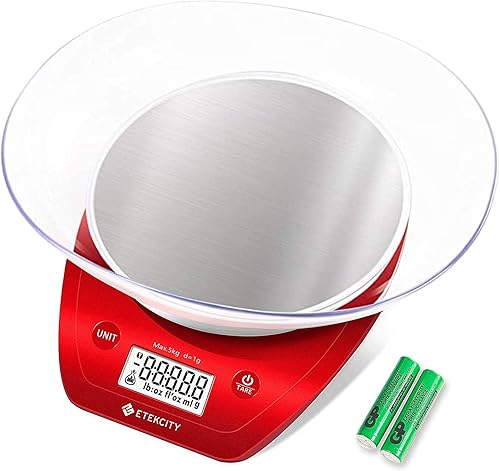
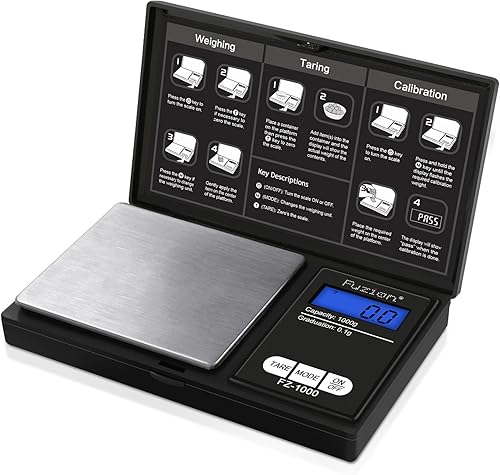
Best digital scale for candle making in stock
Etekcity Food Kitchen Scale with Bowl, 0.1g, Grams and Ounces
Etekcity Food Kitchen Scale with Bowl, 0.1g, Grams and Ounces

MAXUS Digital Gram Scale 1000g/0.1g, Small Food Scale with Backlit LCD, Mini Pocket Scale for Jewelry

Greater Goods Digital Espresso Scale with 0.1g Precision, 750g Capacity
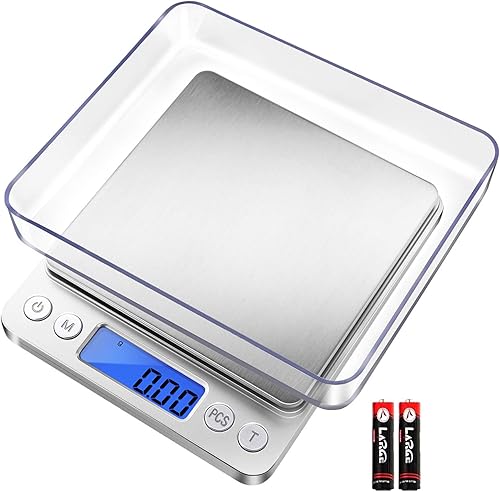
Fuzion Digital Gram Scale .01 Gram Accuracy, 500g Small Jewelry Scale
Fuzion Digital Pocket Gram Scale - 1000g/0.1g Small Food Scale Portable
See more digital scale for candle making on Amazon →
CeraVelas score: combines the average rating and the number of customer reviews on Amazon.
Why you need a scale
Wax flakes, pellets and blocks take up very different amounts of space depending on their shape, so measuring cups are useless for wax. Fragrance oil is also measured as a percentage of the wax weight: a 6–10% fragrance load only means something if you know exactly how many grams or ounces of wax you have. That is why every candle recipe, every supplier datasheet and our fragrance calculator work in weight.
A digital kitchen scale is all you need. You do not have to buy a special "candle scale": a good kitchen model with a tare button and decent precision does the job perfectly. Once it has been used with fragrance oils, though, keep it for crafting rather than food.
What to look for when buying
- Capacity: 5 kg (11 lb) covers almost every home batch including the weight of the pouring pitcher.
- Precision: 1 g (0.05 oz) resolution is enough for wax. For small fragrance amounts, dyes or test batches, a second scale with 0.1 g resolution makes a real difference.
- Tare function: essential. You put the pitcher on, press tare, and weigh only the wax or oil.
- Units: switching between grams and ounces helps when you follow US and European recipes.
- Flat, wipeable surface: glass or stainless steel tops are easy to clean when fragrance oil drips.
- Auto-off delay: scales that switch off after 30 seconds can lose your reading mid-pour; a longer delay or an option to disable it is better.
Types compared
| Type | Capacity | Precision | Best for |
|---|---|---|---|
| Kitchen scale | 5–10 kg (11–22 lb) | 1 g | Weighing wax and full batches |
| Precision kitchen scale | 2–3 kg (4–6 lb) | 0.1 g | Fragrance, dye and test batches |
| Pocket/jewelry scale | 100–500 g (3.5–17 oz) | 0.01–0.1 g | Tiny amounts of dye or mica |
| Bench/shipping scale | 30 kg+ (66 lb+) | 5–10 g | Large wax slabs for small businesses |
For most hobbyists, one kitchen scale with 1 g precision plus an inexpensive 0.1 g pocket scale is the sweet spot.
How to use and clean it
- Place the scale on a flat, stable surface away from drafts and vibrations.
- Put the empty pitcher on the scale and press tare until it reads zero.
- Add wax until you reach the weight your recipe or the wax calculator gave you.
- Melt the wax. For fragrance, place a small cup on the scale, tare, and pour the oil in slowly.
- Weigh your filled jars occasionally to check that each candle is consistent.
Cleaning: wipe spills right away. Fragrance oil can damage plastic buttons and displays, so use a dry paper towel and a little rubbing alcohol on glass or steel surfaces. Never put the scale in water.
A handy example: for 450 g (about 16 oz) of soy wax at 8% fragrance you weigh out 36 g (about 1.3 oz) of fragrance oil. Always check the maximum load on your oil's datasheet.
Safety
- Do not put a hot pitcher straight from the water bath on the scale: heat and steam can damage the electronics. Set it on a trivet and weigh cold wax before melting.
- Keep the scale away from the stove and open flames.
- Fragrance oils can irritate skin; wear gloves when weighing them and wipe drips straight away.
- If you share the kitchen, label the scale "crafts only."
Common mistakes
- Measuring wax with cups: the results are wildly inconsistent.
- Forgetting to tare: you end up weighing the pitcher too and under-dosing everything.
- Using the scale with low batteries: readings drift. Change batteries when the display dims.
- Calculating fragrance on the total candle weight: fragrance percentage is based on the wax weight. Our guide to fragrance load explains both methods.
- Trusting a single reading for tiny amounts: 1 g scales are not accurate for 2–3 g of dye; use a 0.1 g scale.
Pros and cons
👍 Pros
- ✓ Makes recipes accurate and repeatable
- ✓ Tare function lets you weigh straight into the pitcher
- ✓ Inexpensive and widely available
- ✓ Switches between grams and ounces
👎 Cons
- ✗ 1 g models are not precise enough for tiny amounts
- ✗ Fragrance oil can damage plastic surfaces
- ✗ Heat from a hot pitcher can affect the electronics
How to use digital scale for candle making, step by step
- Set the scale on a flat surface.
- Place the empty pitcher on it and press tare.
- Add wax to the target weight.
- Melt the wax off the scale.
- Tare a small cup and weigh the fragrance oil.
- Wipe up any spills immediately.
Tips
- Keep a cheap 0.1 g pocket scale for dyes and small test batches.
- Turn off auto shutoff if your model allows it.
- Weigh cold wax before melting rather than hot wax after.
- Write recipes in grams; it makes percentages much easier.
- Test burn every new recipe before making it in bulk.
Projects with digital scale for candle making
Related supplies
 🫕 Tools Candle pouring pitcher A candle pouring pitcher is the one tool every candle maker uses on every single batch: you melt the wax in it, stir in the fragrance and pour straight into your jars without a mess. See guide →
  🌡️ Tools Candle thermometer A candle thermometer takes the guesswork out of melting, adding fragrance and pouring, and it is the single biggest upgrade to the look and scent throw of your candles. See guide →
  🌸 Fragrance oils Fragrance oils Candle fragrance oils are scent blends formulated to handle the heat of wax and fill a room with fragrance, both before and while the candle burns. See guide →
  🫘 Waxes Soy wax Soy wax is the go-to natural wax for container candles: creamy, beginner-friendly and known for a slow, clean burn. See guide →
  🎁 Kits Complete candle making kit A complete candle making kit bundles wax, wicks, fragrance, a pouring pitcher and containers so you can make your first candles in an afternoon without hunting for a dozen separate supplies. See guide →
  🧊 Waxes Wax melt wax Wax melt wax is made for wickless melts and tarts: firm enough to pop cleanly out of clamshells and able to carry a lot of fragrance oil. See guide →
 Frequently asked questions
Do I need a special scale for candle making?
No. A digital kitchen scale with a tare function and 1 g precision handles wax. Add a 0.1 g scale if you work with small amounts of fragrance or dye.
Should I measure fragrance oil by weight or volume?
By weight. Fragrance loads are given as a percentage of wax weight, so weighing is the only accurate method.
What capacity scale do I need?
A 5 kg (11 lb) scale covers most home batches, including the weight of the pouring pitcher.
Can I still use the scale for food?
It is safer to keep it for crafts once it has been used with fragrance oils, or at least clean it very thoroughly.