🛈 As an Amazon Associate, CeraVelas earns from qualifying purchases. If you buy through our links, Amazon pays us a small commission at no extra cost to you. That’s how we keep the site running. How we choose.
📑 Contents
⚡ Our top picks: candle thermometer
Stock checked on October 6, 2026
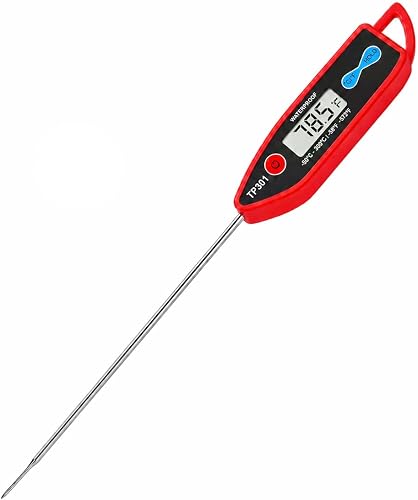

Best candle thermometer in stock
LONICERA Digital Candy Thermometer with Pot Clip, 11-Inch Probe, Red
LONICERA Digital Cooking Thermometer for Sourdough Bread, 5-Inch Probe

Digital Meat Food Thermometer for Candy Candle Milk BBQCooking Kitchen BBQ, Probe Instant Read Thermometer…
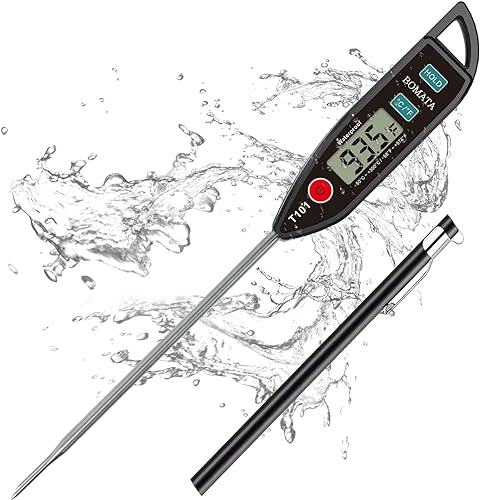
BOMATA Digital Water Thermometer for Liquid, Meat, Cooking, IPX7 Waterproof
Yacumama Digital Water Thermometer for Liquids, Long Probe

Cooking Thermometer,IP67 Waterproof Meat Thermometer Digital
See more candle thermometer on Amazon →
CeraVelas score: combines the average rating and the number of customer reviews on Amazon.
What a candle thermometer does
Every wax has three temperatures that matter: the point where it is fully melted, the temperature where you add the fragrance, and the pour temperature. Hit them and your candles set smooth, hold their scent and burn evenly. Miss them and you get frosting, sinkholes, wet spots or fragrance that weeps out of the wax. A thermometer is how you hit them reliably.
Candle thermometers come in two styles: digital probe thermometers (a metal probe on a display, often sold as kitchen or cooking thermometers) and analog clip-on thermometers (a glass or dial thermometer that clips to the side of your pouring pitcher). Either one works as long as it reads accurately in the range you need.
What to look for when buying
- Range: you need roughly 40–100 °C (100–212 °F). Almost every kitchen probe covers this easily.
- Accuracy: look for ±1 °C (±2 °F). A few degrees off can change how soy wax sets.
- Speed: a fast-reading probe (a few seconds) is handy because wax cools while you wait.
- Probe length: at least 10–15 cm (4–6 in) so you can read the middle of the pitcher without dipping your fingers near hot wax.
- °F/°C switch: useful because wax datasheets from different suppliers use different units.
- Calibration option: some digital models let you recalibrate in ice water.
Avoid infrared "point and shoot" thermometers as your only tool: they read the surface of the wax, not the inside, and shiny metal pitchers throw them off.
Types compared
| Type | Pros | Cons | Best for |
|---|---|---|---|
| Digital probe | Fast, precise, easy to read | Needs a battery; not waterproof in most cases | Most candle makers |
| Clip-on glass/dial | Hands-free, no batteries | Slower, harder to read, glass can break | Large batches, continuous monitoring |
| Probe with alarm | Beeps at your target temperature | Cable can get in the way | Busy multitaskers, cooling to pour temp |
| Infrared | No contact, instant reading | Reads surface only | Checking jar or room temperature |
How to use and clean it
- Check accuracy before your first batch: in a glass of ice water it should read 0 °C (32 °F).
- Melt the wax in a double boiler and stir before measuring, so you are not reading a hot spot near the bottom.
- Hold the probe in the middle of the wax, not touching the pot wall.
- Melt fully, then let the wax cool to the fragrance temperature listed by your supplier. Many soy waxes take fragrance at around 80–85 °C (176–185 °F), but always use your own datasheet.
- Stir in the fragrance, then keep checking until you reach the pour temperature.
For the right fragrance amount at that point, use the fragrance calculator, and see our guide on fragrance load.
Cleaning: wipe the probe with a paper towel while the wax is still soft, then with a little rubbing alcohol. Do not submerge a digital unit unless it is rated waterproof.
Safety
- A thermometer does not replace your eyes: never leave melting wax unattended, even if your probe has an alarm.
- Know the flash point of your fragrance oil (on its SDS) and never add it to wax hotter than that.
- Glass thermometers can shatter. If one breaks in wax, throw the wax away.
- Keep the display unit and cable away from the burner and steam.
Common mistakes
- Measuring right after turning off the heat: the wax at the bottom is hotter. Stir first.
- Using one set of temperatures for every wax: soy wax, coconut wax and paraffin all behave differently.
- Never checking calibration: cheap probes drift. Test in ice water every few months.
- Pouring too hot: a common cause of sinkholes and cracking. See our candle troubleshooting guide.
Whatever you change, finish with a test burn before making a full batch.
Pros and cons
👍 Pros
- ✓ Makes results repeatable batch after batch
- ✓ Digital probes are fast and very affordable
- ✓ Helps you avoid adding fragrance above its flash point
- ✓ Works for all wax types
- ✓ Dual °F/°C readouts match any supplier datasheet
👎 Cons
- ✗ Cheap models can be a few degrees off
- ✗ Digital units need batteries and usually are not waterproof
- ✗ Glass clip-on thermometers are fragile
How to use candle thermometer, step by step
- Test the thermometer in ice water; it should read 32 °F (0 °C).
- Melt the wax in a double boiler.
- Stir, then hold the probe in the middle of the wax.
- Melt fully according to the wax datasheet.
- Let the wax cool to the fragrance temperature and add the oil.
- Keep checking until you reach the pour temperature, then pour.
- Wipe the probe clean while the wax is still soft.
Tips
- Write down the exact temperatures of every batch so you can repeat your best one.
- A probe with an alarm is great for cooling: set it to your pour temperature and stir in between.
- Keep a spare battery; they always die mid-batch.
- Measure the room temperature too, because cold rooms change how wax sets.
- Run a test burn whenever you change temperatures.
Projects with candle thermometer
Related supplies
 🫕 Tools Candle pouring pitcher A candle pouring pitcher is the one tool every candle maker uses on every single batch: you melt the wax in it, stir in the fragrance and pour straight into your jars without a mess. See guide →
 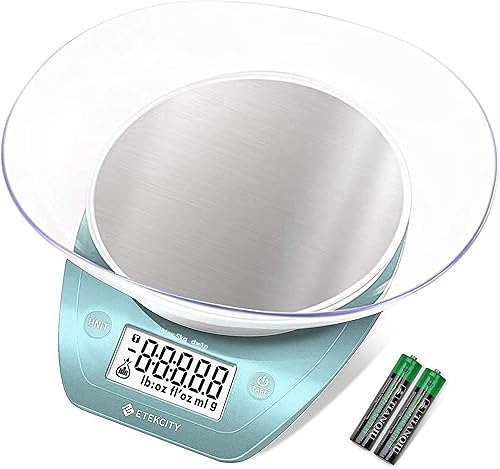 ⚖️ Tools Digital scale for candle making Candle making is done by weight, not by volume, so a simple digital scale is what turns a recipe into a candle you can repeat exactly. See guide →
 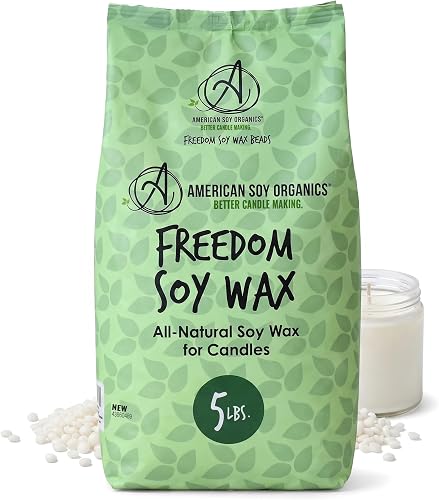 🫘 Waxes Soy wax Soy wax is the go-to natural wax for container candles: creamy, beginner-friendly and known for a slow, clean burn. See guide →
  🌸 Fragrance oils Fragrance oils Candle fragrance oils are scent blends formulated to handle the heat of wax and fill a room with fragrance, both before and while the candle burns. See guide →
  🔥 Tools Heat gun for candles A heat gun is the candle maker's eraser: a few seconds of hot air smooths bumpy tops, closes small holes and warms jars so the wax sticks properly. See guide →
  🎁 Kits Complete candle making kit A complete candle making kit bundles wax, wicks, fragrance, a pouring pitcher and containers so you can make your first candles in an afternoon without hunting for a dozen separate supplies. See guide →
 Frequently asked questions
Can I use a regular kitchen thermometer for candles?
Yes. A digital cooking probe that reads up to about 100 °C (212 °F) works perfectly; just keep it for candle making once it has touched fragrance oil.
Is an infrared thermometer good for candle making?
Not on its own. Infrared reads only the surface, so use it for checking jars or the room and a probe for the wax itself.
At what temperature should I add fragrance oil?
It depends on the wax. Many container waxes take fragrance around 80–85 °C (176–185 °F), but always follow your supplier's datasheet.
How do I know if my thermometer is accurate?
Put the probe in a glass of ice water. It should read 0 °C (32 °F). If it is off, recalibrate or note the difference.