🛈 As an Amazon Associate, CeraVelas earns from qualifying purchases. If you buy through our links, Amazon pays us a small commission at no extra cost to you. That’s how we keep the site running. How we choose.
📑 Contents
What you’ll need
-
 Soy wax Waxes Buy
 -
 Cotton candle wicks Wicks Buy
 -
 Wick stickers Wicks Buy
 -
 Wick centering devices Wicks Buy
 -
 Glass candle jars Containers Buy
 -
 Candle pouring pitcher Tools Buy
 -
 Candle thermometer Tools Buy
 -
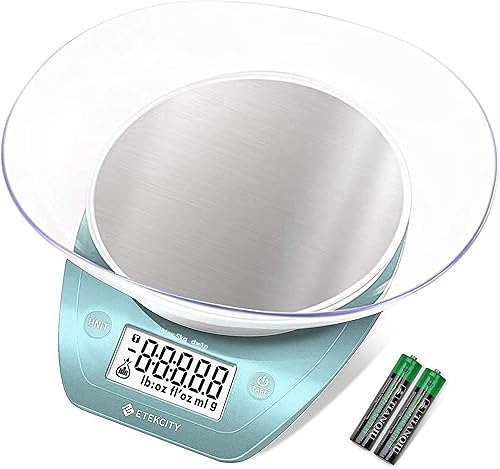 Digital scale for candle making Tools Buy
 -
 Heat gun for candles Tools Buy
 -
 Wick trimmer Tools Buy
What you need
Start with the leftovers: jar bottoms, chunks of pillars, broken candles. For a batch of two 7 oz (about 200 ml) jars you'll need about 350 g (12 oz) of clean leftover wax. Plus: 2 new pre-tabbed cotton wicks, wick stickers, centering bars, clean candle jars (your old ones are fine), a pouring pitcher you keep just for recycling, a thermometer, a scale, a fine-mesh strainer or cotton cloth and a wick trimmer.
The key to recycling is not mixing very different waxes. Each wax has its own melt point and ideal wick, and an unknown blend burns unpredictably. This chart helps you sort your leftovers:
| Wax type | How to spot it | Can it be recycled together? |
|---|---|---|
| Soy and other plant waxes | Soft, creamy, sometimes frosty; cleans up with hot soapy water | Yes, with other plant waxes |
| Paraffin | Harder and glossier, translucent when hot | Yes, with other paraffin |
| Beeswax | Honey color and scent, very hard | Best kept separate |
| Gel | Clear and rubbery | Never with wax |
If you're not sure what a leftover is, recycle it separately and make a test candle.
Preparation
To get the leftovers out of the jars, pop them in the freezer for a couple of hours: the wax shrinks and comes out with a gentle tap. Or set the jar in a double boiler for a few minutes and scoop the wax out with a spoon. Remove the old metal wick tabs and scrape off any black, sooty bits.
Group the leftovers by wax type and, if you want a nice-looking result, by color and scent too; vanilla, pine and lavender together rarely works. Wash any jars you're reusing in hot soapy water and dry them completely.
Process
Melt the leftovers in a double boiler, never over direct heat or in the microwave. Bring the wax to 75–85 °C (167–185 °F) so everything is fully liquid.
Strain the melted wax through a fine-mesh strainer or cotton cloth to catch bits of old wick, soot and dust. This step is the difference between a clean-burning candle and a smoky one.
Your leftovers are already scented, you just don't know how much. The safe move is to add no more, or at most 3–6% if the wax barely smells; use the fragrance calculator. Overdoing it can make the candle sweat or smoke.
Stick a new wick in the center of each jar. Pick the size with the wick calculator based on wax type and jar diameter. Let the wax cool to 55–65 °C (131–149 °F), lower for soy and a bit higher for paraffin, then pour slowly, leaving about 1/2 inch (1–1.5 cm) of headspace. Set the centering bars and let the candles cool at room temperature. If the tops come out rough, smooth them with a heat gun.
If you have wax left over, pour it into a silicone mold or a paper cup and store the blocks labeled by wax type. That way you'll have a stash ready for your next batch.
Curing
If you didn't add fragrance, 2–3 days is enough for the wax to settle. If you added scent to a plant wax, give it one to two weeks. More in the curing guide.
First burn
With recycled wax, a test burn is a must. Trim the wick to about 1/4 inch (5–6 mm) and let the first burn create a full melt pool. Check that the flame is steady, there's no black smoke and the jar doesn't get too hot. If something's off, adjust the wick in your next batch. Never leave it unattended.
Variations and ideas
- Layered candle: pour leftovers in different colors in layers, letting each one set.
- Tealights: small scraps are perfect for tealight candles.
- Wax melts: if the wax still smells good, turn it into wax melts with no wick at all.
- Outdoor candles: melt paraffin scraps into tins for the patio.
If cutting waste is your goal, our candle recycling guide has more ideas.
Troubleshooting
It smokes
Leftover soot, an oversized wick or mixed waxes. Strain more carefully and try a smaller wick.
It goes out or tunnels
The wick is too small for that wax. Go up a size.
Muddy or grayish color
Mixed colors or leftover soot. Sort by color and strain through cloth.
Cracked top
You poured too hot. Lower the temperature and let it cool slowly. More help in the troubleshooting guide.
Step by step
- 1 Freeze the jars with leftover wax for a couple of hours and pop the wax out.
- 2 Remove the old metal wick tabs and scrape off any soot.
- 3 Sort the leftovers by wax type, color and scent.
- 4 Melt about 350 g (12 oz) of leftovers in a double boiler to 75–85 °C (167–185 °F).
- 5 Strain the melted wax through a fine-mesh strainer or cotton cloth.
- 6 Add fragrance only if needed, 3–6% at most.
- 7 Stick a new wick in the center of each clean jar.
- 8 Cool the wax to 55–65 °C (131–149 °F) and pour slowly, leaving 1/2 inch of headspace.
- 9 Set the centering bars and let the candles cool at room temperature.
- 10 Let them rest 2–3 days, trim the wick and do a test burn.
Tips
- Keep one pitcher just for recycling, since wax of unknown origin can leave residue.
- The freezer is the easiest way to get leftovers out of jars.
- Collect scraps in bags sorted by wax type until you have enough for a batch.
- Always strain the wax; soot is the main cause of smoke.
- Write down which wick you used for each recycled batch.
Mistakes to avoid
- Mixing soy, paraffin and gel in one candle: it burns unpredictably.
- Reusing old wicks: always use a new wick.
- Adding lots of fragrance without knowing how much the wax already had.
- Melting over direct heat or in the microwave.
- Skipping the test burn.
⚡ Our top picks: soy wax
Stock checked on October 6, 2026
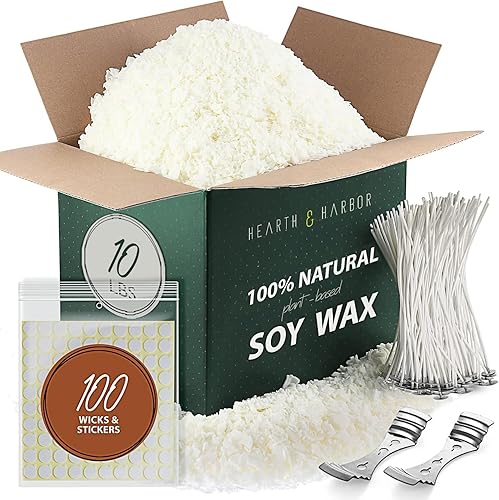
The best soy wax for recycled candles
American Soy Organics Freedom Soy Wax Beads, All-Natural Candle Wax, 5 lbs
American Soy Organics Freedom Soy Wax Beads, All-Natural Candle Wax, 10 lbs

American Soy Organics Freedom Soy Wax Beads, All-Natural Candle Wax, 1 lb
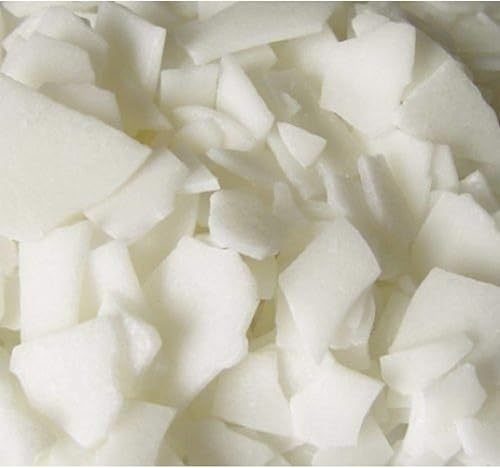
The Candlemaker's Store Natural Soy Wax, 10 lb. Bag
Hearth & Harbor Organic Candle Wax, Pure Soy Wax for Candle Making, 10 lbs

Hearth & Harbor Organic Candle Wax, Pure Soy Wax for Candle Making, 5 lbs
CeraVelas score: combines the average rating and the number of customer reviews on Amazon.
Frequently asked questions
Can I mix soy and paraffin leftovers?
You can, but it's not ideal: the blend burns less predictably. If you do, test the wick carefully before using the candle.
Do I need to add fragrance to a recycled candle?
Usually not, since the leftovers are already scented. If it barely smells, add 3–6% at most.
How do I get leftover wax out of a jar?
Freeze it for a couple of hours, or warm it in a double boiler and scoop the wax out with a spoon.
Can I reuse the old wick?
No. Always use a new, properly sized wick with a tab.
What about gel leftovers?
Recycle them only with more gel; never mix gel with wax.
More projects to make at home