🛈 As an Amazon Associate, CeraVelas earns from qualifying purchases. If you buy through our links, Amazon pays us a small commission at no extra cost to you. That’s how we keep the site running. How we choose.
📑 Contents
⚡ Our top picks: glass candle jars
Stock checked on October 6, 2026

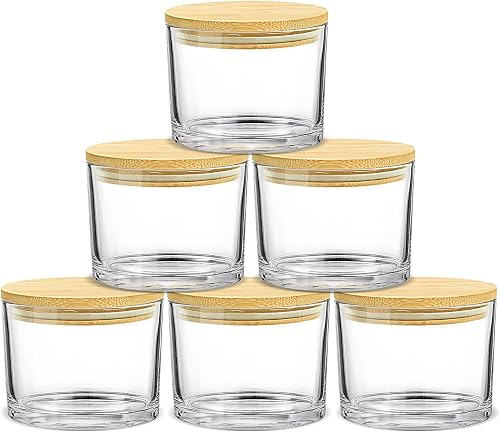
Best glass candle jars in stock
Ritayedet 12oz Glass Jars with Lids, 20 Pack Candle Jars for Making Candles
SUPMIND 15P Glass Candle Jars with Bamboo Lids, 7oz Clear Candle Containers

CONNOO 15 Pack 4oz Clear Glass Candle Jars with Airtight Bamboo Lids

CONNOO 8 Pack 12 OZ Clear Glass Wide Mouth Candle Jars
SUPMIND 16oz Candle Jars 6Pcs, Clear Glass Candle Making Jars With Lid Bulk

CONNOO 12Pack 10 OZ Clear Glass Candle Jars with Bamboo Lids
See more glass candle jars on Amazon →
CeraVelas score: combines the average rating and the number of customer reviews on Amazon.
What a candle jar actually is
A glass candle jar is a vessel designed to hold wax while it burns. That sounds like any jar from the kitchen cabinet, but there is a real difference: candle jars are made from thicker, more evenly formed glass that tolerates the slow, steady heat of a burning wick for hours. Thin decorative glass, wine glasses and many recycled food jars can crack when the melt pool gets hot, especially near the end of the burn when the flame sits close to the bottom.
Most jars sold for candle making are soda-lime glass with a smooth, straight or slightly tapered wall. You will find tumblers, apothecary jars, "mason-style" jars, frosted jars and colored glass. They pair beautifully with soy wax and coconut wax, the soft container waxes behind most scented jar candles.
What to look for when buying
- Listed for candle making. The product page should say the jars are made for candles or are heat-resistant. If it only mentions storage or decor, treat it as a gamble.
- Wall thickness and an even base. Thicker glass spreads heat better. Look at the base: it should be flat and free of bubbles or visible seams.
- Straight walls. A straight or gently tapered shape makes it much easier to get a full melt pool. Jars that narrow sharply at the top trap heat and soot; jars that bulge in the middle tunnel.
- Opening diameter. This decides your wick. Measure the inside diameter at the top and check it against the wick calculator before you buy wicks.
- Lids. Wood, bamboo or metal lids keep dust out and protect the fragrance while the candle cures. A lid with a silicone ring seals best.
- Quantity and packaging. Jars ship in multipacks of 6, 12 or 24. Check reviews for breakage in transit and order one or two spares.
Common sizes and what they suit
Volume tells you how much wax you need, but diameter is what drives wick choice. As a rough guide, a jar holds slightly less wax by weight than its volume in water, since container waxes are lighter than water.
| Jar size | Typical inside diameter | Approx. wax | Good for |
|---|---|---|---|
| 3–4 oz (90–120 ml) | 2–2.4 in (5–6 cm) | 2.5–3.5 oz (70–100 g) | Samples, favors, testing scents |
| 7–8 oz (200–240 ml) | 2.8–3.1 in (7–8 cm) | 5.5–7 oz (160–200 g) | The standard gift candle |
| 10–12 oz (300–350 ml) | 3.1–3.5 in (8–9 cm) | 8–10 oz (230–290 g) | Living rooms, longer burns |
| 16 oz+ (470 ml+) | 3.5–4 in (9–10 cm) | 12–14 oz (350–400 g) | Large candles, often two wicks |
Use the wax calculator to get the exact amount for your jar and wax type.
How to use and clean them
Wash new jars in warm soapy water, rinse and let them dry completely; any water or grease on the glass leads to poor adhesion and "wet spots". Warm the jars slightly before pouring, either in a low oven around 50–60 °C (120–140 °F) or with a heat gun. Warm glass helps the wax bond to the walls and reduces frosting lines.
Secure the wick to the center of the base with wick stickers, hold it upright with a centering tool, then pour at the temperature your wax supplier recommends. Let the candle cool slowly at room temperature, away from drafts, and cure it before the first test burn.
To reuse an empty jar, put it in the freezer for a few hours: leftover wax shrinks and pops out. Remove the wick tab, wash the jar in hot soapy water and inspect it for chips or hairline cracks before refilling.
Safety
Glass only becomes dangerous when it is the wrong glass or when the flame is too big. Keep these rules in mind:
- Never use cracked, chipped or very thin glass.
- Stop burning when about 1/2 in (1 cm) of wax remains, so the flame does not overheat the base.
- Trim the wick to about 1/4 in (5–6 mm) before each burn and never leave a burning candle unattended.
- Always do a full test burn with your jar, wax and wick combination before giving or selling candles.
- Place the candle on a heat-resistant surface, away from drafts, curtains, children and pets.
Our candle safety guide covers warning labels and the rest of the basics.
Common mistakes
- Choosing the wick before measuring the jar. The diameter drives the wick, not the volume.
- Pouring into cold jars. Cold glass causes wet spots and sinkholes, especially with soy.
- Using food or decor jars without testing. Some work, many do not; never assume.
- Overfilling. Leave about 1/2 in (1–1.5 cm) of headspace so the flame does not reach the rim and the lid fits.
- Skipping the test burn. A jar that looks perfect can still run too hot with an oversized wick.
Pros and cons
👍 Pros
- ✓ Show off the color and texture of the wax
- ✓ Distribute heat evenly for a full melt pool
- ✓ Reusable and easy to clean once the candle is finished
- ✓ Huge range of shapes, sizes and lids available
👎 Cons
- ✗ Not every glass jar is safe for candles
- ✗ Breakable in shipping and in use if dropped
- ✗ Wet spots are visible through clear glass
How to use glass candle jars, step by step
- Wash the jars in warm soapy water and dry them completely.
- Measure the inside diameter and pick a wick to match.
- Fix the wick to the center of the base with a wick sticker.
- Warm the jars slightly with a heat gun or a low oven.
- Pour the wax at the temperature your supplier recommends and center the wick.
- Let the candle cool slowly away from drafts and cure it.
- Trim the wick to about 1/4 in (5–6 mm) and do a full test burn.
Tips
- Buy one or two extra jars: you will want spares for test burns.
- Straight-sided jars are the easiest to wick correctly.
- Frosted or colored glass hides wet spots if they bother you.
- Keep the lid on while the candle cures to protect the scent.
- Write down jar, wax, wick and fragrance load for every test.
Projects with glass candle jars
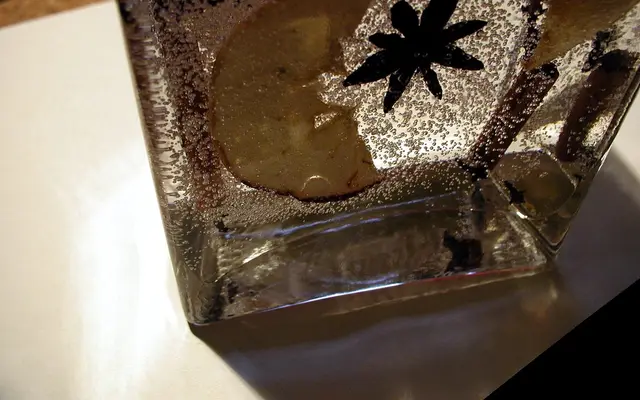
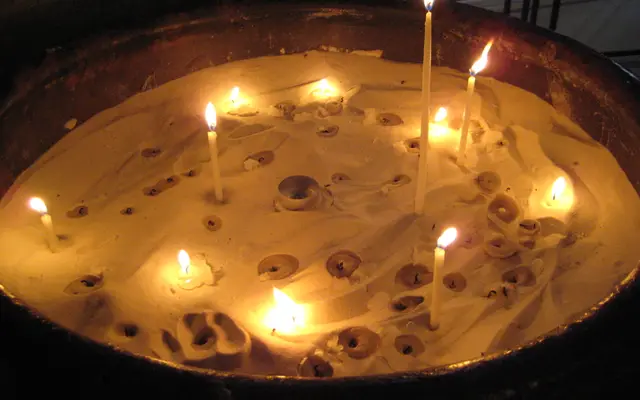
Related supplies
 🫘 Waxes Soy wax Soy wax is the go-to natural wax for container candles: creamy, beginner-friendly and known for a slow, clean burn. See guide →
  🥥 Waxes Coconut wax Coconut wax is the wax behind many luxury candles: bright white, creamy and known for excellent cold and hot throw. See guide →
  🪵 Wicks Wooden wicks Wooden wicks give a candle a wide, low flame and that soft fireplace crackle. They look gorgeous, but they are pickier than cotton wicks. See guide →
  🏷️ Wicks Wick stickers Wick stickers are small double-sided adhesive dots that keep the wick tab stuck to the bottom of the jar while you pour your wax. See guide →
  🎯 Wicks Wick centering devices A wick centering device holds the top of the wick while the wax cools, so it sets straight and right in the middle of the jar. See guide →
  🟤 Containers Amber glass candle jars Amber glass jars give homemade candles a warm apothecary look and help protect fragrance and color from light. They work just like clear jars, with a few details worth knowing. See guide →
 Frequently asked questions
Can I use any glass jar for candles?
No. Use jars sold as heat-resistant or made for candles. Thin, decorative or damaged glass can crack from the heat of the flame.
Why does the wax pull away from the glass?
Those are wet spots, usually caused by cold or dirty jars or fast cooling. Warm and clean the jars before pouring and cool candles slowly.
How full should I fill a candle jar?
Leave about 1/2 in (1–1.5 cm) of space below the rim. It keeps the flame away from the edge and leaves room for the lid.
Can I put candle jars in the dishwasher?
Remove all wax and the wick tab first. Many jars survive the dishwasher, but hand washing is gentler and avoids clogging your drain with wax.
What size jar is best for beginners?
A 7–8 oz jar with straight walls about 3 in (7–8 cm) across is the easiest to wick and test.