🛈 As an Amazon Associate, CeraVelas earns from qualifying purchases. If you buy through our links, Amazon pays us a small commission at no extra cost to you. That’s how we keep the site running. How we choose.
📑 Contents
What you’ll need
-
 Gel wax Waxes Buy
 -
 HTP wicks Wicks Buy
 -
 Wick stickers Wicks Buy
 -
 Wick centering devices Wicks Buy
 -
 Fragrance oils Fragrance oils Buy
 -
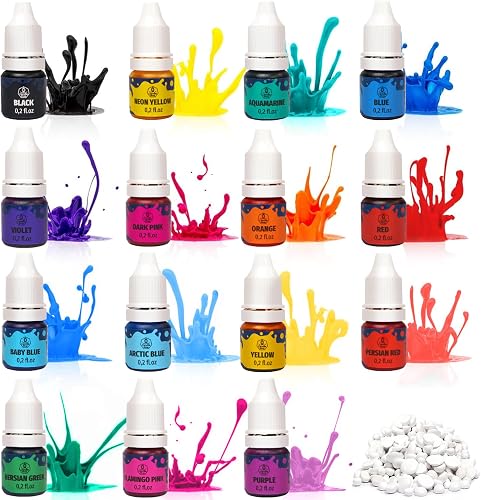 Liquid candle dye Dyes Buy
 -
 Glass candle jars Containers Buy
 -
 Candle pouring pitcher Tools Buy
 -
 Candle thermometer Tools Buy
 -
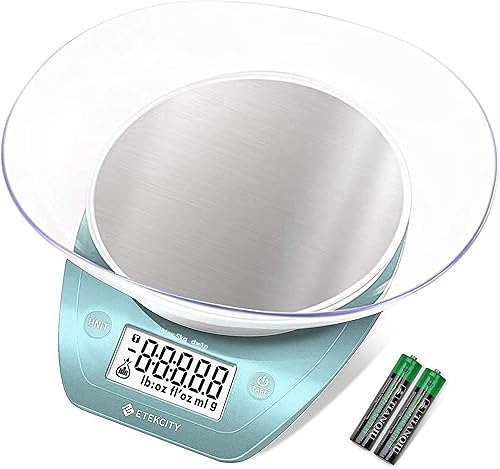 Digital scale for candle making Tools Buy
 -
 Heat gun for candles Tools Buy
What you need
Gel wax isn't really wax at all: it's mineral oil thickened with a polymer. It melts at a higher temperature than soy or paraffin and burns differently. It comes in low, medium and high density; for container candles with embeds, medium density is the most versatile.
For two 8 oz (about 250 ml) glasses you'll need:
- About 400 g (14 oz) of gel wax.
- 12–20 g (0.4–0.7 oz) of gel-compatible fragrance oil (3–5%), non-polar and with a high flash point per its datasheet.
- 2 HTP wicks or another wick recommended for gel, tabbed and primed with wax.
- Wick stickers and centering bars.
- Gel-safe liquid candle dye, one or two drops.
- Thick, heat-resistant glass jars.
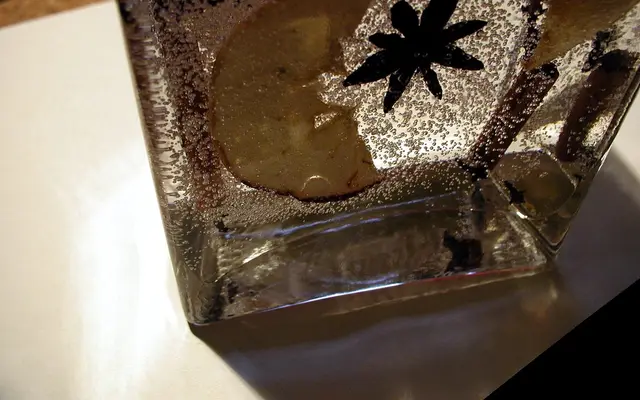
- Optional: nonflammable embeds (glass marbles, sand, seashells, ceramic pieces).
| Stage | Typical temperature | Note |
|---|---|---|
| Melt the gel | 90–100 °C (194–212 °F) | Gentle, steady heat |
| Add fragrance and dye | 85–90 °C (185–194 °F) | Stir without whipping |
| Pour (few bubbles) | 85–90 °C (185–194 °F) | Pre-warmed glass |
| Pour (bubble effect) | 75–80 °C (167–176 °F) | Room-temperature glass |
Tools: a metal saucepan or pitcher to heat the gel, a thermometer, a scale and a heat gun. Always check your gel's datasheet, since temperatures vary by manufacturer.
Preparation
Clean the glasses and pre-warm them in a low oven or with a heat gun; warm glass means fewer bubbles and less risk of thermal shock. Stick the wick in the center. Wicks for gel need to be primed with wax so they don't release air into the candle or soak up the mineral oil too fast.
If you're adding embeds, wash and dry them well. Use only things that won't burn: no dried flowers, paper, wood or plastic. Keep them away from the wick, close to the sides of the glass.
Process
Cut the gel into chunks and heat it gradually, stirring now and then, until it's completely liquid at around 90–100 °C (194–212 °F). Don't overheat it or walk away: gel can ignite if it gets too hot. Keep the thermometer in it the whole time.
At about 85–90 °C (185–194 °F), add the fragrance and one or two drops of dye. Stir slowly without whipping so you don't add air. Work out the fragrance with the fragrance calculator and don't go over 5%; too much clouds the gel and can create flammable pockets of oil.
Pour slowly, tilting the glass and letting the gel slide down the side. For crystal-clear gel, pour hot into a warm glass; if you like decorative bubbles, pour a bit cooler. Leave about 1/2 inch (1.5 cm) of headspace and set the centering bars.
Let it cool without moving the glass. If bubbles show up on the surface, pass the heat gun over them carefully.
Curing
Gel doesn't need a long cure: after 24 hours it has set and is ready to go. Fragrance doesn't bind the same way it does in plant wax, so the scent won't improve much with extra waiting. If you're curious why other waxes do need curing, see the curing guide.
First burn
Trim the wick to about 3/16 inch (5 mm). Gel candles burn hotter than wax candles and the glass heats up more, so set them on a heat-safe surface and don't burn them for more than 2–3 hours at a time. Never leave them unattended, and put them out when about 1/2 inch (1.5 cm) of gel remains. Always do a full test burn on the first candle from every batch.
Variations and ideas
- Ocean scene: sand on the bottom, a few seashells and a pale blue gel.
- Color layers: pour one layer, let it set and pour another in a different shade.
- "Drink" look: amber gel with bubbles in a thick glass (always clearly labeled as a candle).
- Prefer wax? For something simpler, start with soy candles.
Troubleshooting
Cloudy gel
The fragrance isn't gel-compatible or there's too much. Use a gel-safe fragrance and lower the percentage.
Too many bubbles
Poured too cool, cold glass or an unprimed wick. Heat the gel and glass more and prime the wick.
Flame too big
The wick is too thick for gel. Use a thinner one and keep it trimmed.
The glass gets very hot
That's normal with gel, but if it's too hot to touch, the wick is too big or the candle has burned too long. More help in the troubleshooting guide.
Step by step
- 1 Clean and pre-warm the thick glass jars.
- 2 Stick a primed HTP wick in the center of each glass.
- 3 Arrange nonflammable embeds near the sides, away from the wick.
- 4 Cut about 400 g (14 oz) of gel and heat it gradually to 90–100 °C (194–212 °F), never leaving it alone.
- 5 At 85–90 °C (185–194 °F), add 12–20 g of gel-compatible fragrance and one or two drops of dye.
- 6 Stir slowly without whipping so you don't add air.
- 7 Pour slowly down the side of the glass, leaving 1/2 inch of headspace.
- 8 Set the centering bars and let it cool without moving the glass.
- 9 Pop surface bubbles with a heat gun if needed.
- 10 Wait 24 hours, trim the wick to 3/16 inch and do a supervised test burn.
Tips
- Buy fragrance oils specifically labeled as gel-compatible.
- Use only thick glass; gel burns hotter than wax.
- For very clear gel, pour hot into a warm glass.
- Store leftover gel in a sealed jar to reuse later.
- Clearly label candles that look like drinks so no one gets confused.
Mistakes to avoid
- Using dried flowers or anything flammable as an embed: it can catch fire.
- Adding more than 5% fragrance: it clouds the gel and creates oil pockets.
- Heating gel on high heat or without a thermometer.
- Using thin or decorative glass that can't handle the heat.
- Burning the candle all the way to the bottom of the glass.
⚡ Our top picks: gel wax
Stock checked on October 6, 2026

The best gel wax for gel candles
TooGet Transparent Jelly Wax DIY Candle Making Gel Wax Handmade Material Crystal Gel Candle for Candle Making…
CoolCrafts 2 Pounds Transparent Gel Wax for Candle Making Clear Jelly Candle Wax for Decorative Projects
CoolCrafts 5 Pounds Transparent Gel Wax for Candle Making Clear Jelly Candle Wax for Decorative Projects
Heigble 9.9 lb High Density Transparent Gel Candle Wax Clear Gel Wax Jelly Candle 100 Pcs Wick and 100 Pcs…
Heigble 6.6 lb High Density Transparent Gel Candle Wax Clear Gel Wax Jelly Candle 100 Pcs Wick and 100 Pcs…
Heigble 3.3 lb Gel Wax for Candle Making Clear Jelly Gel Wax
CeraVelas score: combines the average rating and the number of customer reviews on Amazon.
Frequently asked questions
What fragrance works in gel candles?
Only fragrance oils labeled as gel-compatible, usually non-polar with a high flash point. Regular wax fragrances can make the gel cloudy.
Why does my gel candle have bubbles?
Pouring too cool, a cold glass or an unprimed wick. Some people actually want them as a decorative effect.
What can I embed in gel?
Only nonflammable items: glass, ceramic, seashells, stones or sand, always kept away from the wick.
Are gel candles safe?
Yes, if you use thick glass, the right wick and gel-safe fragrance, and you don't burn them too long or leave them unattended.
Can I mix gel with soy wax?
No. They're different materials that won't blend, and the candle will burn poorly.
More projects to make at home