🛈 As an Amazon Associate, CeraVelas earns from qualifying purchases. If you buy through our links, Amazon pays us a small commission at no extra cost to you. That’s how we keep the site running. How we choose.
📑 Contents
⚡ Our top picks: liquid candle dye
Stock checked on October 6, 2026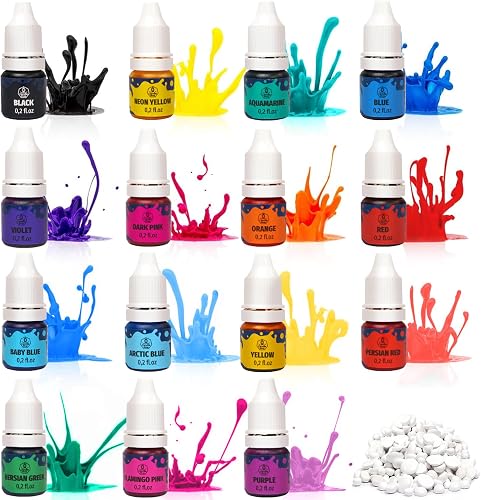

Best liquid candle dye in stock
Liquid Candle Dye - 16 Colors Candle Wax Dye Chips - Candle Making Dye
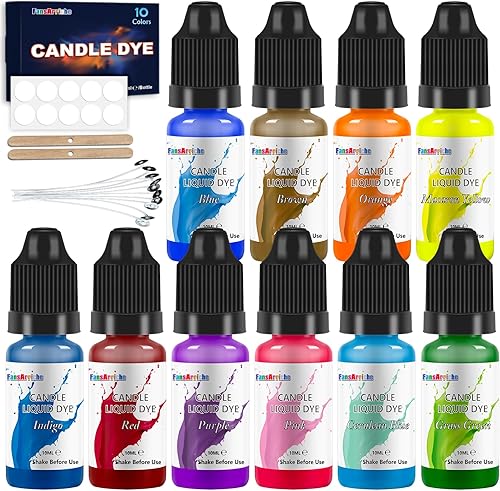
FansArriche Candle Dye - 10 Colors Liquid Oil-Based Dye for Candle Wax

FansArriche Candle Dye - 18 Colors Liquid Oil-Based Dye for Candle Wax

FansArriche Candle Dye - 32 Colors Liquid Oil-Based Dye for Candle Wax

FansArriche Candle Dye - 26 Colors Liquid Oil-Based Dye for Candle Wax
YRYM HT Candle Dye, 32 Oil-Based Liquid Candle Color Dye for Soy Wax
See more liquid candle dye on Amazon →
CeraVelas score: combines the average rating and the number of customer reviews on Amazon.
What liquid candle dye is
It’s a highly concentrated oil-soluble colorant, dissolved in an oil or solvent that’s compatible with wax, and sold in dropper bottles. Because it’s already liquid, it blends into melted wax almost instantly and lets you dose very precisely: one drop more or less really shows.
Watch what you buy. Lots of products labeled "liquid dye" are meant for soap, epoxy resin, fabric or baking and don’t work in candles: water-based dyes separate from wax, and resin dyes may not burn cleanly. Always check that the label says it’s for candles or wax.
Types and comparison
You’ll find liquid dyes in basic colors for mixing, sets of 10–20 ready-made shades and extra-concentrated versions for very dark colors. Here’s how they compare with other ways to color wax:
| Product | Precision | Ease | Best for | Watch out for |
|---|---|---|---|---|
| Liquid dye | Very high | Medium | Deep shades, gel, fine-tuning | Stains badly if spilled |
| Dye chips | Medium | High | Everyday use, repeatable colors | Less precise for pastels |
| Mica powder | Low | High | Wax melts and surface decoration | Not for wax that burns around a wick |
How much to use
The rule is to start very small. Follow the manufacturer’s guideline (usually given as drops per pound or per kilo of wax) and begin with half of it. Add drop by drop, stirring well, and test a drip on white paper: melted wax always looks darker than solid wax.
Write down the exact number of drops and the weight of the wax. For small batches, dipping the tip of a toothpick into the dye can work better than adding a full drop.
Mixing colors
With three primaries (yellow, red and blue) plus a touch of black or brown, you can make almost any shade. Test mixes in small amounts of wax and note the ratios before coloring a full batch.
How to use it
- Protect your work surface: concentrated dye stains counters, clothes and hands.
- Melt the wax in a double boiler and add the dye once it’s completely liquid.
- Stir well and do the drip test; adjust a little at a time.
- Add your fragrance oil at the recommended temperature and pour.
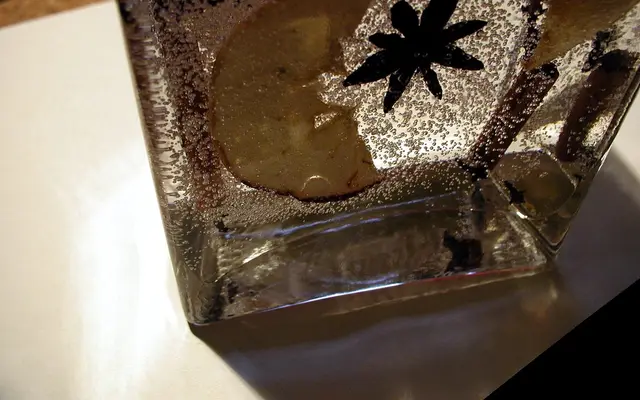
- In gel wax, use very little dye: the beauty of gel is its clarity, and too much dye dulls it. See an example in our gel candle project.
Storage and handling
A bottle of liquid dye lasts a long time if you treat it well: cap it tightly after every use, store it upright away from heat and direct light, and wipe the dropper tip so it doesn’t dry out and clog. Wear thin gloves if you don’t want stained fingers for days, and keep paper towels within reach so you can catch any stray drop before it dries on your counter. A silicone mat under your work area makes cleanup much easier, too.
Common mistakes
- Using water-based dyes. They separate from the wax and leave spots or droplets at the bottom.
- Adding too many drops at once. It’s easy to overshoot, and excess dye can clog the wick and cause smoking.
- Mistaking resin or soap dye for candle dye. They aren’t formulated to burn.
- Not protecting your workspace. Concentrated dye stains are tough to remove.
- Displaying candles in direct sunlight. Many colors fade in the sun.
For more color ideas, combinations and techniques, check out our guide to coloring candles.
Pros and cons
👍 Pros
- ✓ Very precise dosing
- ✓ Blends into wax instantly
- ✓ Ideal for dark, vivid shades
- ✓ A bottle lasts a long time
👎 Cons
- ✗ Stains if spilled
- ✗ Easy to overdo
- ✗ Many look-alike products aren’t for candles
- ✗ You must track drops to repeat colors
How to use liquid candle dye, step by step
- Protect your work surface.
- Melt the wax.
- Add dye drop by drop.
- Stir and do a drip test.
- Adjust the color.
- Add fragrance and pour.
Tips
- Always start with half the recommended amount.
- Use a toothpick for doses smaller than a drop.
- Store bottles tightly capped and upright.
- Keep paper towels and rubbing alcohol nearby for cleanup.
Projects with liquid candle dye
Related supplies
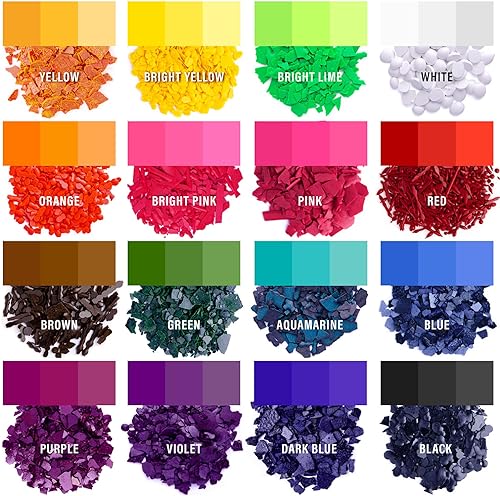 🎨 Dyes Candle dye chips Candle dye chips are concentrated oil-soluble colorants pressed into small chips: the easiest, cleanest way to color your wax. See guide →
  ✨ Dyes Mica powder Mica powder adds pearly shimmer and color to wax melts and candle surfaces. Just remember: it doesn’t dissolve in wax, so it shouldn’t go in the wax that burns around a wick. See guide →
 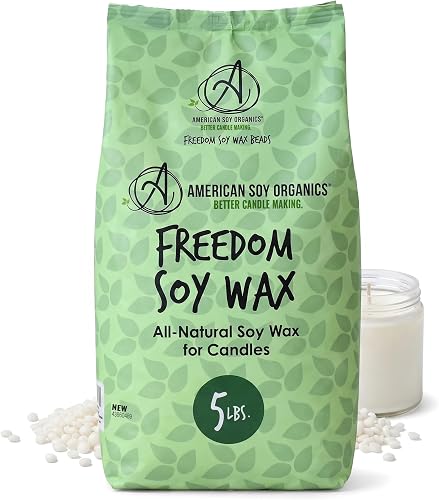 🫘 Waxes Soy wax Soy wax is the go-to natural wax for container candles: creamy, beginner-friendly and known for a slow, clean burn. See guide →
  💎 Waxes Gel wax Gel wax lets you make crystal-clear candles with decorative embeds inside, but it demands more care than any traditional wax. See guide →
  🕯️ Waxes Paraffin wax Paraffin wax is the most versatile and affordable candle wax: it takes bold colors, releases easily from molds and delivers the strongest scent throw. See guide →
 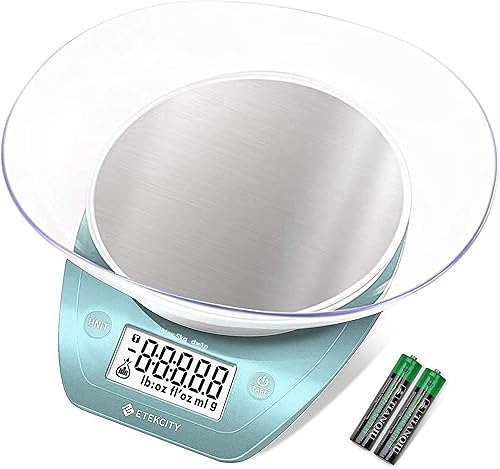 ⚖️ Tools Digital scale for candle making Candle making is done by weight, not by volume, so a simple digital scale is what turns a recipe into a candle you can repeat exactly. See guide →
 Frequently asked questions
How many drops of liquid candle dye should I use?
It depends on the brand. Follow its guideline, start with half, add drop by drop and check the shade with a drip of wax on paper.
Can I use liquid soap or resin dye in candles?
No. They’re made for other materials and can separate from the wax or burn poorly. Use dye made for candles.
Is liquid dye better than dye chips?
Liquid dye is more precise and better for deep colors; chips are handier and cleaner for everyday use.
Can I use it in gel wax?
Yes, it’s the most common choice. Use very little to keep the gel crystal clear.