🛈 As an Amazon Associate, CeraVelas earns from qualifying purchases. If you buy through our links, Amazon pays us a small commission at no extra cost to you. That’s how we keep the site running. How we choose.
📑 Contents
⚡ Our top picks: candle tins
Stock checked on October 6, 2026


Best candle tins in stock
OBKJJ 48 Pcs Aluminum Round Cans with Lid, 2 Oz Metal Tins Food Candle Containers with Screw Tops for Crafts…
EricX Light Candle Tin 24 Piece, 8 oz, for Candle Making, Black
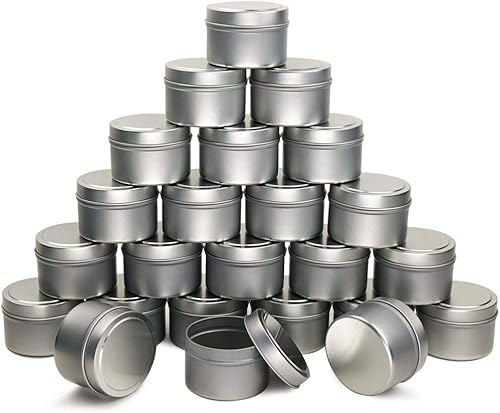
EricX Light Candle Tin 24 Piece, 4 oz, for Candle Making

ABK 4oz Black Candle Tins,24 PCS Candle Jars with Lids for Candle Making
DINGPAI Candle Tin 18 Piece, 4 oz, Candle Containers for DIY Candle Making

Tins - 24x Black Candle Containers 8 oz for Candle Making
See more candle tins on Amazon →
CeraVelas score: combines the average rating and the number of customer reviews on Amazon.
What candle tins are
Candle tins are small metal containers, usually tin-plated steel or aluminum, made to hold container wax. They are the go-to choice for tin candles, travel candles and samples because they do not break, stack easily and come with a lid that protects the fragrance. Most are round and shallow, which makes them easy to wick and quick to reach a full melt pool.
They work best with soft container waxes such as soy wax and coconut wax. Because metal does not show the wax inside, tins hide frosting and wet spots, which makes them very forgiving for beginners.
What to look for when buying
- Seamless construction. Seamless tins are drawn from one piece of metal, so there is no side seam that can leak hot wax. Seamed tins can work, but test them first.
- Lid type. Slip lids (push-on) are cheap and easy; screw-top lids seal better and suit travel. Lids with a window let people see the candle.
- Finish. Silver, black, gold, rose gold and matte finishes are common. Painted tins should be specified for candles, since some coatings discolor with heat.
- Depth vs width. Shallow, wide tins burn evenly. Deep, narrow tins are harder to wick and may tunnel.
- Clean interior. The inside should be free of oil, dents and sharp edges. Check reviews for rust or dents on arrival.
- Labels. A smooth lid makes it easy to add your own label and the safety warnings you need if you sell.
Common sizes
Tins are sold by volume. The wick is chosen by diameter, so always check the measurements, not just the ounces. Our wick calculator gives a starting point for each diameter.
| Tin size | Typical diameter | Approx. wax | Best for |
|---|---|---|---|
| 2 oz (60 ml) | 2–2.4 in (5–6 cm) | 1.5–1.8 oz (40–50 g) | Samples, wedding favors |
| 4 oz (120 ml) | 2.6–2.8 in (6.5–7 cm) | 3–3.5 oz (85–100 g) | Travel candles, gifts |
| 8 oz (240 ml) | 3–3.3 in (7.5–8.5 cm) | 6–7 oz (170–200 g) | Everyday candles |
| 16 oz (470 ml) | 4 in+ (10 cm+) | 12–13 oz (340–370 g) | Large candles, often two or three wicks |
How to use and clean them
Wipe each tin with a paper towel and a little rubbing alcohol to remove manufacturing oil. Stick a pre-tabbed wick to the center with a wick sticker and press it down firmly. Melt the wax in a pouring pitcher, add fragrance at the temperature your supplier suggests and pour slowly to about 1/4–1/2 in (0.5–1 cm) below the rim.
Metal cools wax faster than glass, which can cause rough tops. Pour a little warmer within your wax's recommended range, or set the tins on a towel to slow cooling. Let the candles cure with the lid off for the first day, then close them up. If you want color, dye chips work well in tins and the surface stays visible.
To reuse a tin, warm the bottom gently so the leftover wax releases, pour it off, wipe with a paper towel and wash in warm soapy water. Dry immediately to prevent rust.
Safety
- Tins get hot. Always set a burning tin candle on a heat-resistant coaster or plate, never directly on wood or plastic.
- Do not move a tin while it is burning or while the wax is liquid.
- Never use the lid to snuff the flame while the wax is fully melted; let the candle cool with the lid off. A candle snuffer is the safe way to extinguish.
- Stop burning when about 1/4 in (5 mm) of wax remains.
- Test burn each tin size with your wax and wick before selling, and follow the safety labeling basics in our safety guide.
Common mistakes
- Using seamed tins without testing. A tiny gap at the seam can leak hot wax.
- Overwicking shallow tins. A wick that is too large makes the tin too hot and the flame too tall.
- Skipping the oil wipe. Leftover factory oil can stop the wick tab from sticking.
- Closing the lid too early. Trapped heat and moisture can cause a cloudy top.
- Burning on a bare table. The base can mark or scorch furniture.
Pros and cons
👍 Pros
- ✓ Unbreakable and light, ideal for shipping
- ✓ Lids protect fragrance and keep out dust
- ✓ Shallow shapes are easy to wick and burn evenly
- ✓ Hide frosting and wet spots
- ✓ Stack neatly for storage and display
👎 Cons
- ✗ The base and sides get hot while burning
- ✗ Seamed tins can leak if not tested
- ✗ Wax surface may cool unevenly in cold rooms
- ✗ Can rust if left damp
How to use candle tins, step by step
- Wipe each tin with rubbing alcohol to remove factory oil.
- Attach a pre-tabbed wick to the center with a wick sticker.
- Melt the wax in a pouring pitcher and add fragrance at the recommended temperature.
- Pour slowly, leaving about 1/4–1/2 in (0.5–1 cm) below the rim.
- Center the wick and let the candles cool away from drafts.
- Cure with the lid off for a day, then close and let the scent develop.
- Trim the wick and do a test burn on a heat-resistant surface.
Tips
- Choose seamless tins whenever possible.
- Pour slightly warmer than with glass to get a smoother top.
- Use screw-top lids for candles that will travel or be shipped.
- Add a small coaster or cork pad to gift tins.
- Label the bottom with wax, fragrance and batch date.
Projects with candle tins
Related supplies
 🫘 Waxes Soy wax Soy wax is the go-to natural wax for container candles: creamy, beginner-friendly and known for a slow, clean burn. See guide →
  🥥 Waxes Coconut wax Coconut wax is the wax behind many luxury candles: bright white, creamy and known for excellent cold and hot throw. See guide →
  🧵 Wicks Cotton candle wicks Pre-tabbed, pre-waxed cotton wicks are where almost every homemade candle starts: inexpensive, reliable and available in dozens of sizes. See guide →
  🏷️ Wicks Wick stickers Wick stickers are small double-sided adhesive dots that keep the wick tab stuck to the bottom of the jar while you pour your wax. See guide →
 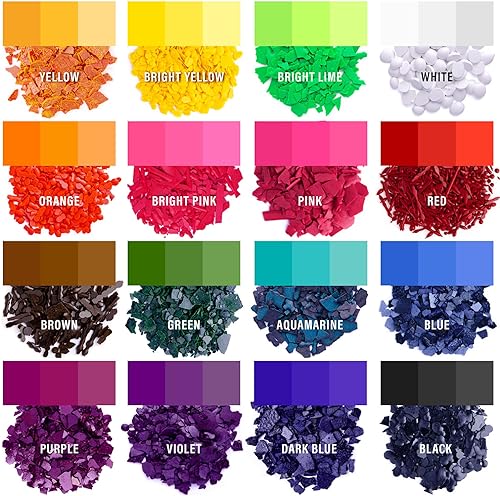 🎨 Dyes Candle dye chips Candle dye chips are concentrated oil-soluble colorants pressed into small chips: the easiest, cleanest way to color your wax. See guide →
  🫙 Containers Glass candle jars Empty glass candle jars are the classic home for container candles: they show off the wax, hold heat evenly and, if you pick the right glass, stay safe from the first light to the last. See guide →
 Frequently asked questions
Do candle tins get hot?
Yes. The metal conducts heat, so always burn tin candles on a heat-resistant surface and do not touch or move them while lit.
Seamless or seamed tins?
Seamless tins are the safer choice because there is no joint that can leak. Seamed tins are fine if you test them for leaks first.
What wax is best for tins?
Soft container waxes such as soy or coconut blends adhere well and burn evenly in shallow tins.
Can I use the lid to put out the candle?
It is better to use a snuffer and leave the lid off until the wax solidifies, so the tin does not trap heat or smoke.