🛈 As an Amazon Associate, CeraVelas earns from qualifying purchases. If you buy through our links, Amazon pays us a small commission at no extra cost to you. That’s how we keep the site running. How we choose.
📑 Contents
Best rapeseed wax in stock
We don’t have any verified in-stock products on Amazon.com right now. Here are all the available options:
What rapeseed wax is
Rapeseed wax is made by hydrogenating rapeseed oil, the same yellow-flowered crop that, in its food-grade varieties, gives us canola oil. The result is a white, creamy, low-melt wax that behaves a lot like soy. Its big draw is where it's grown: most of it comes from the UK and mainland Europe, so it's popular with makers who want a locally sourced, non-soy plant wax. In the US it's less common, but canola-based container waxes do exist.
In the pour pot it acts like a container wax: it grips glass well, sets with a smooth top and burns slowly. Many makers find its hot throw a touch stronger than a comparable soy, though the fragrance oil and wick matter just as much.
Types and what to look for
You'll find straight rapeseed container wax and blends with coconut or soy that aim for a creamier texture or a more even finish. UK manufacturers such as Kerax offer rapeseed-based container waxes, and German shops sell it as "Rapswachs." Because it's harder to find than soy on Amazon US, read listings carefully: look for container use, melt point and max fragrance load. If there's no spec sheet, buy a small bag and test before stocking up.
Key data
| Property | Typical value |
|---|---|
| Melt point | 44–50 °C (111–122 °F) |
| Add fragrance at | 75–80 °C (167–176 °F) |
| Pour temperature | 55–65 °C (131–149 °F) |
| Max fragrance load | up to 10% |
| Best for | jar and tin candles, wax melts, tea lights |
| Common wicks | ECO, CD, wood |
| Cure time | 1–2 weeks |
| Approx. density | 0.90 g/ml |
| Vegan | Yes |
Typical values only; the manufacturer's spec sheet always takes priority.
Pros and cons
On the plus side: plant-based and locally grown in Europe, smooth tops, good glass adhesion and a lovely hot throw. On the minus side: it's harder to find than soy, it's soft enough to dent in summer heat, and it can frost too. For a head-to-head, see rapeseed vs soy, and if sustainability is your priority, check our eco-friendly candle guide.
How to work with it
Melt it in a double boiler or pouring pitcher to about 75–80 °C (167–176 °F). It doesn't need more heat than that, and overheating can yellow it. Add your fragrance oil at that temperature, stir for two minutes, then let it cool to 55–65 °C (131–149 °F) before pouring. Slightly warmed vessels help it stick without wet spots. Let candles set for 24 hours away from drafts, trim the wick and give them one to two weeks to cure before judging the scent.
Wicks and fragrance
It pairs well with ECO wicks, CD and wood wicks. Because it's a bit softer than many soy waxes, you can sometimes drop one wick size, but only a multi-hour test burn will tell you. Start at 6–8% fragrance with our fragrance calculator and go up to 10% max if the spec sheet allows. It looks great in candle tins for travel tin candles.
Common problems
- Frosting: pour slightly cooler and avoid sudden temperature swings.
- Wet spots: warm your vessels and cool candles away from windows.
- Soft or tacky candles in summer: store them somewhere cool; it's normal for low-melt waxes.
- Big flame or soot: the wick is too large or untrimmed; size down.
- Tunneling: wick too small or first burn too short; let the melt pool reach the edge.
What rapeseed wax is used for
- Scented jar candles
- Travel tin candles
- Soft wax melts
- Homemade tea lights
- Locally sourced gift candles
Pros and cons
👍 Pros
- ✓ Grown in Europe with fewer shipping miles
- ✓ Smooth, creamy tops
- ✓ Excellent hot throw
- ✓ Vegan and biodegradable
- ✓ Good glass adhesion
👎 Cons
- ✗ Harder to find than soy in US stores
- ✗ Softens in summer heat
- ✗ Can frost
- ✗ Needs a 1–2 week cure
How to use rapeseed wax, step by step
- Work out your wax: multiply the vessel volume in ml by 0.9 for grams (about 0.8 oz per fluid ounce).
- Melt the wax in a double boiler to 75–80 °C (167–176 °F), never over direct heat.
- Secure and center a pre-tabbed wick in the vessel.
- Add fragrance oil (6–10%) at 75–80 °C (167–176 °F) and stir for two minutes.
- Let the wax cool to 55–65 °C (131–149 °F).
- Pour slowly into slightly warmed vessels.
- Let candles set for 24 hours away from drafts.
- Trim the wick to 1/4 inch and cure for 1–2 weeks.
Tips
- Don't overheat rapeseed wax; 75–80 °C (167–176 °F) is enough.
- Test one wick size smaller than you'd use in soy and compare side by side.
- Store wax and finished candles somewhere cool and dark.
- For an even creamier top, try a rapeseed-coconut blend.
- Keep notes on every test burn to dial in wick and fragrance.
Projects with rapeseed wax
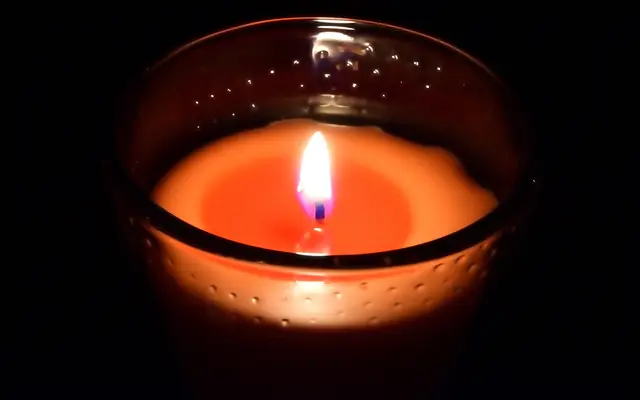
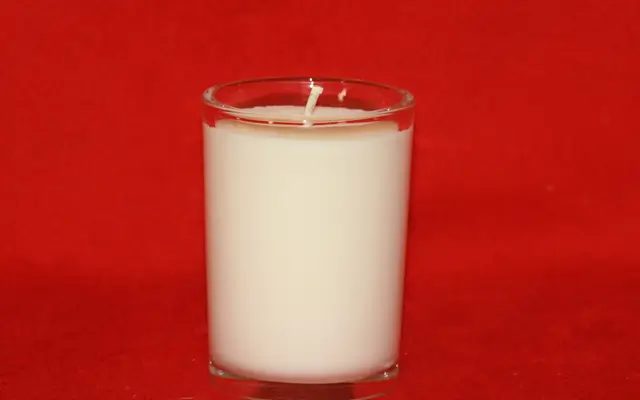
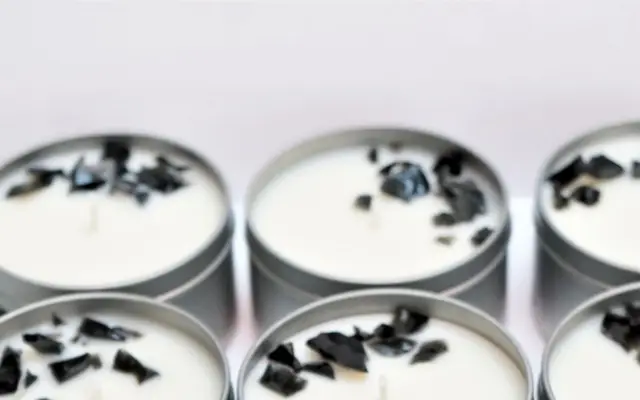
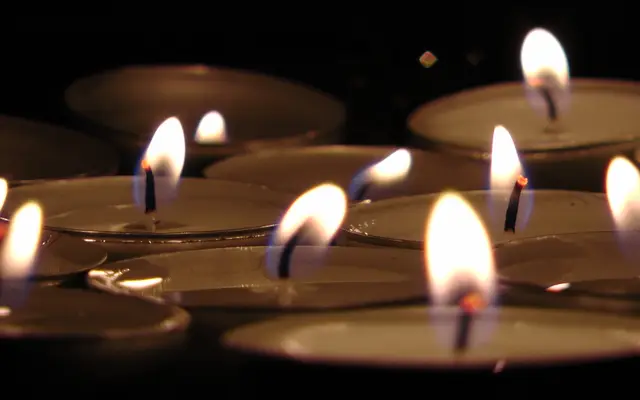
Rapeseed wax vs other waxes
- Rapeseed wax vs Soy wax
- Rapeseed wax vs Coconut wax
- Rapeseed wax vs Beeswax
- Rapeseed wax vs Paraffin wax
- Rapeseed wax vs Palm wax
- Rapeseed wax vs Gel wax
- Rapeseed wax vs Wax melt wax
- Rapeseed wax vs Massage candle wax
- Rapeseed wax vs Pillar candle wax
Related supplies
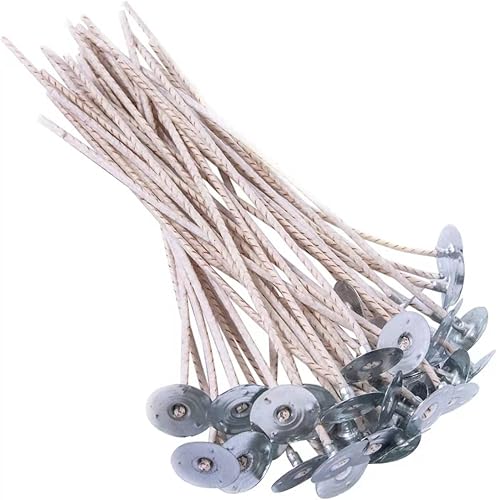 🌱 Wicks ECO wicks ECO wicks are one of the most popular series for natural wax candles: they burn clean, curl on their own and mushroom very little. See guide →
  🧵 Wicks Cotton candle wicks Pre-tabbed, pre-waxed cotton wicks are where almost every homemade candle starts: inexpensive, reliable and available in dozens of sizes. See guide →
  🪵 Wicks Wooden wicks Wooden wicks give a candle a wide, low flame and that soft fireplace crackle. They look gorgeous, but they are pickier than cotton wicks. See guide →
  🌸 Fragrance oils Fragrance oils Candle fragrance oils are scent blends formulated to handle the heat of wax and fill a room with fragrance, both before and while the candle burns. See guide →
  🫙 Containers Glass candle jars Empty glass candle jars are the classic home for container candles: they show off the wax, hold heat evenly and, if you pick the right glass, stay safe from the first light to the last. See guide →
  🥫 Containers Candle tins Metal candle tins are light, unbreakable and perfect for travel candles, gifts and craft fairs. Pick seamless tins with a good lid and you can make clean, reliable candles in any size. See guide →
 Frequently asked questions
Is rapeseed wax better than soy wax?
It's not better or worse, just different. It often gives smoother tops and a strong hot throw, and it's grown in Europe. Soy is easier to find in the US and offers more brands to choose from.
What wick should I use with rapeseed wax?
ECO, CD and wood wicks all work. Start with the size you'd use in soy and test one size smaller; the test burn will show which gives a full melt pool without smoke.
How much fragrance oil can I add?
Typically 6–10% of the wax weight, never above the spec sheet's maximum. At 8% you'll already get a nicely scented candle.
Can I make pillar candles with it?
Container rapeseed wax is too soft for pillars. For freestanding candles, use a dedicated pillar wax or a firmer blend.