🛈 As an Amazon Associate, CeraVelas earns from qualifying purchases. If you buy through our links, Amazon pays us a small commission at no extra cost to you. That’s how we keep the site running. How we choose.
📑 Contents
⚡ Our top picks: eCO wicks
Stock checked on October 6, 2026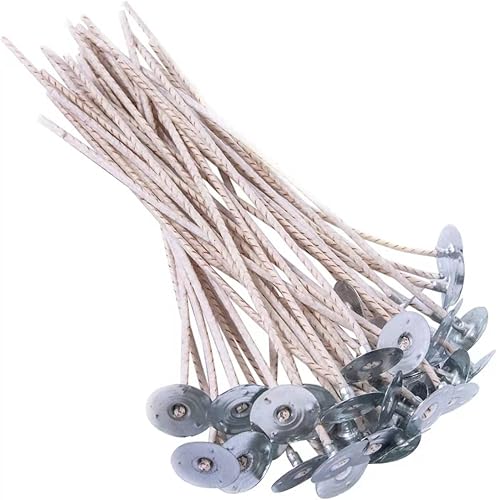
Best eCO wicks in stock
100pcs ECO 10 Wicks for Soy Candles, 6 inch Pre-Waxed Candle Wick for Candle Making,Thick Candle Wick with…
ECO8 100pcs Pre-Waxed Wicks for Soy Candles, 6 Inch Thick Wick with Base
100pcs ECO Wicks for Soy Candles, 6 inch Pre-Waxed Candle Wick for Candle Making,Thick Candle Wick with Base
100pcs ECO 2 Wicks for Soy Candles, 6 inch Pre-Waxed Candle Wick for Candle Making,Thick Candle Wick with Base
100pcs ECO 6 Wicks for Soy Candles, 6 inch Pre-Waxed Candle Wick for Candle Making,Thick Candle Wick with Base
100pcs ECO 4 Wicks for Soy Candles, 6 Inch Pre-Waxed With Base for Candle Making, Thick
See more eCO wicks on Amazon →
CeraVelas score: combines the average rating and the number of customer reviews on Amazon.
What ECO wicks are
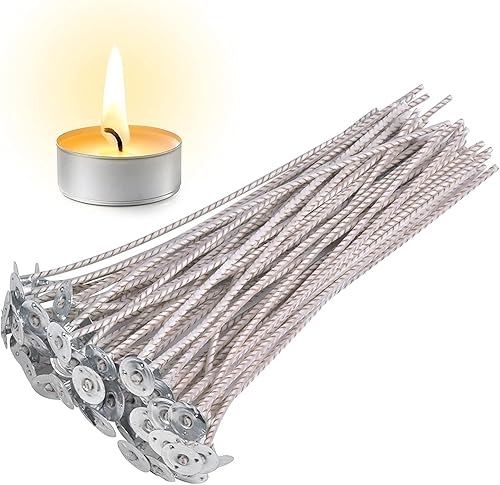
The ECO series is a flat-braided cotton wick with thin paper threads woven in. The paper helps the wick hold its shape and curl slightly as it burns, so the tip is consumed at the edge of the flame and the wick partly trims itself. The result is a calm flame with little soot and minimal carbon mushrooming.
They were designed with natural waxes in mind, which are more viscous than paraffin. That makes them a classic pick for soy wax and rapeseed wax, although they also work in blends and paraffin.
Sizes in the series
ECO wicks are numbered from smallest to largest: ECO 00, 0, 1, 2, 4, 6, 8, 10, 12, 14 and up. The higher the number, the thicker the wick, the wider the melt pool and the taller the flame. Not every seller stocks every size; beginner sample packs usually run from ECO 2 to ECO 12.
How to choose a size
The key measurement is the inside diameter of the jar. From there you adjust for wax type, fragrance load and vessel shape (jars that narrow at the top hold more heat). The chart below lists typical starting points for soy wax; the wick calculator runs the same math for other waxes.
| Jar diameter | Starting ECO size (soy) | If the melt pool doesn’t reach the edge |
|---|---|---|
| 2 in (5 cm) | ECO 2 | ECO 4 |
| 2.4 in (6 cm) | ECO 4 | ECO 6 |
| 2.75 in (7 cm) | ECO 6 | ECO 8 |
| 3.1 in (8 cm) | ECO 8 | ECO 10 |
| 3.5 in (9 cm) | ECO 10 | ECO 12 |
| 4 in (10 cm) | ECO 12 | ECO 14 or two wicks |
| 4.3–4.7 in (11–12 cm) | 2 × ECO 6–8 | Adjust the spacing |
With coconut wax or very soft blends you can often go one size down; with beeswax, one or two sizes up. A heavy fragrance or a high fragrance load may also push you up a size. That’s why the chart is only step one: the real answer comes from a test burn.
How to use them
- Stick the tab to the center of the jar with a wick sticker.
- Hold the wick straight with a centering device; ECO wicks are flat, so orient the wide side the same way in every candle.
- Pour at the recommended temperature and let the candle cure as long as your wax needs (for soy, ideally one to two weeks).
- Trim the wick to about 1/4 inch (5–6 mm) and test: the melt pool should reach nearly to the edge within 3–4 hours.
Common mistakes
- Sizing by jar height. Height barely matters; diameter is what counts.
- Judging in the first hour. Natural waxes take a while to build a full melt pool; evaluate at 3–4 hours.
- Testing only one size. The most efficient method is pouring three identical candles with three consecutive sizes.
- Forgetting to trim. Even though they partly self-trim, keep them at 1/4 inch before every burn.
- Leaving a candle burning unattended during tests or burning longer than 4 hours at a time.
Not sure whether ECO or CD wicks suit you better? Test both in the same jar and compare. Our guide to choosing a wick helps you read the results.
Pros and cons
👍 Pros
- ✓ Clean burn with little soot
- ✓ Curl and partly self-trim
- ✓ Excellent performance in natural waxes
- ✓ Wide series that’s easy to find
👎 Cons
- ✗ Can be underpowered with very dense fragrances
- ✗ Larger sizes aren’t always in stock
- ✗ Being flat, orientation matters a little
- ✗ Take several test burns to dial in
How to use eCO wicks, step by step
- Measure the inside diameter of the jar.
- Pick a starting ECO size from the chart.
- Stick the tab in the center and center the wick.
- Pour and let the candle cure.
- Trim to 1/4 inch and run a 3–4 hour test burn.
- Go up or down one size based on the melt pool.
Tips
- Grab an ECO 2–12 sampler for your first tests.
- Write the wick size on the bottom of each test candle.
- If the flame flickers a lot or smokes, drop one size.
- For jars over 4 inches, try two medium wicks.
Related supplies
 🧵 Wicks Cotton candle wicks Pre-tabbed, pre-waxed cotton wicks are where almost every homemade candle starts: inexpensive, reliable and available in dozens of sizes. See guide →
 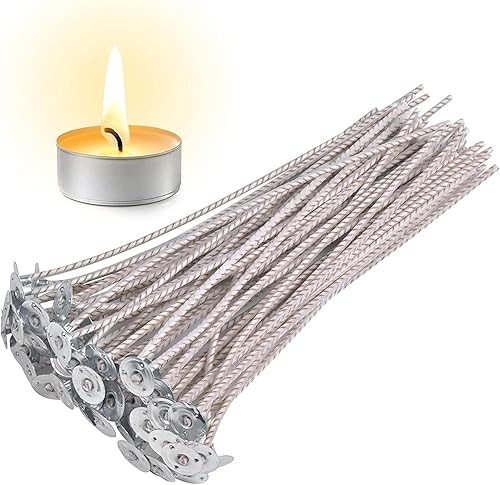 🕯️ Wicks CD wicks CD wicks are coreless, flat-braided cotton wicks that curl as they burn. They run a little hotter than ECO wicks and perform well in both soy and paraffin. See guide →
 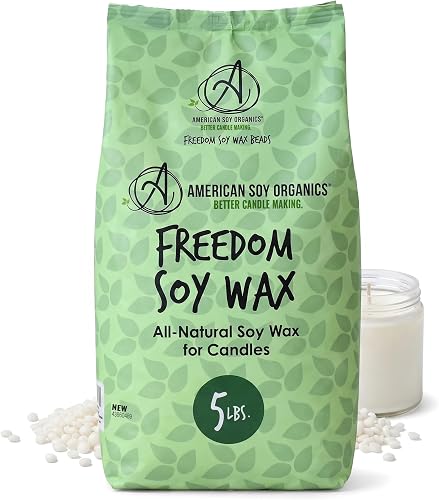 🫘 Waxes Soy wax Soy wax is the go-to natural wax for container candles: creamy, beginner-friendly and known for a slow, clean burn. See guide → 🌼 Waxes Rapeseed wax Rapeseed wax, also called canola wax, is a European-grown alternative to soy: creamy, smooth-topped and known for a lovely hot throw. See guide →
  🏷️ Wicks Wick stickers Wick stickers are small double-sided adhesive dots that keep the wick tab stuck to the bottom of the jar while you pour your wax. See guide →
  🎯 Wicks Wick centering devices A wick centering device holds the top of the wick while the wax cools, so it sets straight and right in the middle of the jar. See guide →
 Frequently asked questions
What does the number on ECO wicks mean?
It’s the thickness within the series: the higher the number, the thicker the wick, the bigger the flame and the wider the melt pool.
Which ECO wick should I use for a 3-inch soy candle?
An ECO 8 is a typical starting point for a jar around 3 inches (8 cm). If the melt pool doesn’t reach the edge after 3–4 hours, try an ECO 10.
Do ECO wicks work with paraffin?
Yes. Paraffin is less viscous, so you’ll often need a slightly smaller size than you would for soy.
How are they different from CD wicks?
Both are flat and self-trimming. CD wicks tend to burn a bit hotter at the same number, so the size numbers don’t line up. Testing both is the best way to decide.
Do I still need to trim ECO wicks?
Yes, though less often than other wicks. Keep them at about 1/4 inch before every burn for a steady, smoke-free flame.