🛈 As an Amazon Associate, CeraVelas earns from qualifying purchases. If you buy through our links, Amazon pays us a small commission at no extra cost to you. That’s how we keep the site running. How we choose.
📑 Contents
⚡ Our top picks: massage candle wax
Stock checked on October 6, 2026

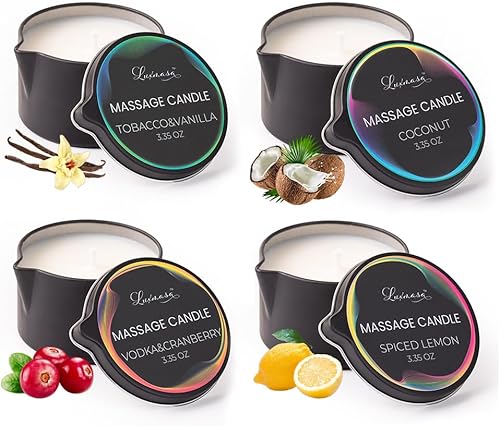
Best massage candle wax in stock
6 Pack Low Temp Massage Candle Set, 2.35oz Soy Wax Candles for Home Spa Multi Scent Massage Candles, Melts…
Massage Candle Soy Wax Warming Caramel Whisky Stress Relief 2.35oz

6pcs Massage Candle Set,2.35oz Low Temperature Soy Wax Body Spa Candles
Massage Candle 4 Pack Soybean Wax Low Temp Body Lotion Gift 13.4oz

Drip Co Massage Candle 3 Pack 6 OZ Variety, Soy Wax Aromatherapy Scented
See more massage candle wax on Amazon →
CeraVelas score: combines the average rating and the number of customer reviews on Amazon.
What massage candle wax is
A massage candle is a candle whose melted wax doubles as massage oil. To make that possible, the wax has to melt at a very low temperature, roughly 36–42 °C (97–108 °F), and be formulated with skin-loving ingredients. That's why ordinary wax won't do: paraffin or a regular container soy melts too hot and doesn't moisturize.
Massage candle waxes are usually blends of low-melt soy or coconut wax with butters (shea, cocoa, mango) and plant oils (sweet almond, jojoba, apricot kernel). Once lit, the top melts within minutes into a warm, silky oil.
Types and what to look for
- Ready-made massage candle wax: the easiest option, already balanced.
- DIY formula: as a starting point, about 60% low-melt soy or coconut wax, 20% shea or cocoa butter and 20% plant oil; adjust the texture through testing.
Check the ingredients: if it contains beeswax it isn't vegan, and if it contains paraffin it isn't meant for skin. Look for cosmetic-grade ingredients.
Key data
| Property | Typical value |
|---|---|
| Melt point | 36–42 °C (97–108 °F) |
| Add fragrance at | 55–65 °C (131–149 °F) |
| Pour temperature | 48–55 °C (118–131 °F) |
| Fragrance load | 1–3% typical, 6% max if the spec sheet allows |
| Uses | massage candles in tins or spouted jars |
| Common wicks | small ECO cotton wicks |
| Approx. density | 0.90 g/ml |
| Vegan | Yes, if it contains no beeswax |
Pros and cons
It delivers a really special experience: ambiance, scent and warm massage oil in one product, which makes it a fantastic gift. It's easy to make and doesn't need a long cure. On the flip side, it only accepts skin-safe fragrance in small amounts, it's soft and heat-sensitive, plant oils can go rancid over time, and if you sell it, it's treated as a cosmetic, so check the rules that apply where you sell.
How to work with it
Melt the wax and butters in a double boiler over gentle heat; there's no need to go above 65–70 °C (149–158 °F). Remove from the heat, stir in the plant oils and, once the blend cools to 55–65 °C (131–149 °F), add your fragrance or essential oils. Stir for two minutes and pour at 48–55 °C (118–131 °F) into candle tins or spouted jars. If you're using butters, cooling relatively quickly helps prevent graininess. Let them set for 24–48 hours. You'll find the full walkthrough in our massage candle project.
Wicks and fragrance
Because the wax is so soft, the wick should be small: a low-numbered ECO wick is usually enough. You want a short, calm flame; the goal is to melt the surface, not to heat the wax a lot. With fragrance, caution is the rule: use only cosmetic-grade, skin-safe fragrance oils rated for skin contact under their IFRA certificate, or essential oils at low levels (1–3% is typical, less for strong essential oils). Work out the amount with our fragrance calculator, check allergens, and skip dyes, micas and glitter that aren't skin-safe.
Safe use and common problems
Before applying: blow out the candle, wait about a minute and test a few drops on your wrist. It should feel warm, not hot, usually around 40–45 °C (104–113 °F). Never pour wax from a candle that's still lit.
- Too oily or soft: increase the wax ratio slightly.
- Grainy texture: the butters crystallized; remelt and cool faster.
- Rancid smell: the oils have oxidized; add vitamin E and make small batches.
- Irritation: stop using it, review the fragrance and allergens, and always patch test first.
Never leave the candle burning unattended, and review our candle safety guide.
What massage candle wax is used for
- Massage candles as gifts
- Spa and self-care candles
- Warm massage oil
- Tin candles with a pouring spout
Pros and cons
👍 Pros
- ✓ Melts close to body temperature
- ✓ Moisturizes thanks to butters and oils
- ✓ Ambiance and massage in one product
- ✓ Easy to make
- ✓ Can be 100% plant-based
👎 Cons
- ✗ Only small amounts of skin-safe fragrance
- ✗ Soft and heat-sensitive
- ✗ Plant oils can go rancid
- ✗ Regulated as a cosmetic if you sell it
How to use massage candle wax, step by step
- Weigh wax, butter and oil (for example 60/20/20).
- Melt the wax and butter in a double boiler over gentle heat, no higher than 65–70 °C (149–158 °F).
- Remove from heat and stir in the plant oil.
- At 55–65 °C (131–149 °F), add skin-safe fragrance (1–3%).
- Stir gently for two minutes.
- Pour at 48–55 °C (118–131 °F) into tins or spouted jars with a small wick.
- Let them set for 24–48 hours before use.
- To use, blow it out, wait a minute and test the temperature on your wrist.
Tips
- Add a few drops of vitamin E to extend the life of the oils.
- Make small batches; massage candles are best fresh.
- Choose containers with a spout for easy pouring.
- Always check the fragrance oil's allergen information.
- Patch test on a small area of skin before first use.
Projects with massage candle wax
Massage candle wax vs other waxes
- Massage candle wax vs Soy wax
- Massage candle wax vs Rapeseed wax
- Massage candle wax vs Coconut wax
- Massage candle wax vs Beeswax
- Massage candle wax vs Paraffin wax
- Massage candle wax vs Palm wax
- Massage candle wax vs Gel wax
- Massage candle wax vs Wax melt wax
- Massage candle wax vs Pillar candle wax
Related supplies
 🧵 Wicks Cotton candle wicks Pre-tabbed, pre-waxed cotton wicks are where almost every homemade candle starts: inexpensive, reliable and available in dozens of sizes. See guide →
 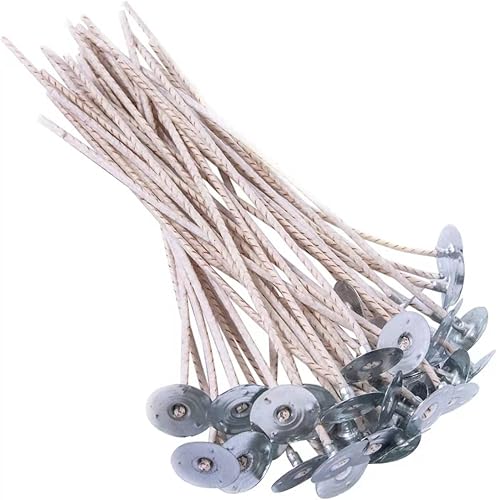 🌱 Wicks ECO wicks ECO wicks are one of the most popular series for natural wax candles: they burn clean, curl on their own and mushroom very little. See guide →
  🥫 Containers Candle tins Metal candle tins are light, unbreakable and perfect for travel candles, gifts and craft fairs. Pick seamless tins with a good lid and you can make clean, reliable candles in any size. See guide →
  🟤 Containers Amber glass candle jars Amber glass jars give homemade candles a warm apothecary look and help protect fragrance and color from light. They work just like clear jars, with a few details worth knowing. See guide →
  🌿 Fragrance oils Essential oils for candles Essential oils let you make candles with a 100% botanical scent. They smell wonderful, but throw less than fragrance oils and need a little more care. See guide →
  🌸 Fragrance oils Fragrance oils Candle fragrance oils are scent blends formulated to handle the heat of wax and fill a room with fragrance, both before and while the candle burns. See guide →
 Frequently asked questions
Can I use regular soy wax for a massage candle?
It's not ideal. Container soy melts hotter and doesn't moisturize. You need a low-melt wax combined with butters and oils, or a ready-made massage candle wax.
What temperature should massage candle oil be?
Warm, not hot, usually around 40–45 °C (104–113 °F). Blow out the candle, wait a minute and always test a few drops on your wrist before applying.
What fragrance can I use?
Only cosmetic-grade, skin-safe fragrance oils or essential oils at low levels, typically 1–3%. Check allergens and avoid fragrance oils intended only for candles.
How long does a homemade massage candle last?
It depends on the oils you use. With vitamin E and cool storage, it usually keeps for several months; if it smells rancid, throw it out.