🛈 As an Amazon Associate, CeraVelas earns from qualifying purchases. If you buy through our links, Amazon pays us a small commission at no extra cost to you. That’s how we keep the site running. How we choose.
📑 Contents
⚡ Our top picks: essential oils for candles
Stock checked on October 6, 2026

Best essential oils for candles in stock
NaturoBliss 100% Pure & Natural Sweet Orange Essential Oil Therapeutic Grade Premium Quality Oil with Glass…

Essential Oil Set 14-10 ml Therapeutic Grade 100% Pure Frankincense, Lavender, Peppermint, Rosemary, Orange…
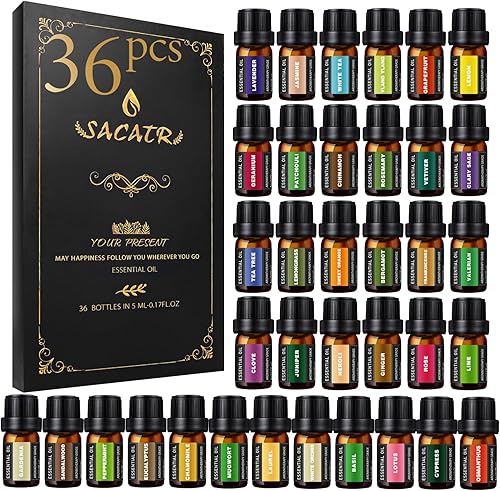
SACATR 36 Pcs Natural Essential Oil Sets,Fragrance Oil Scent (36 * 5ML)
Essential Oils by Ultimate Aroma Top 10 Aromatherapy Oils Gift Set - Lavender/Tea Tree/Eucalyptus/…

NESCCI Essential Oil Set - Essential Oils 36 x 5ML -Essential Oils Gift Set

FUHITIM Essential Oil Set, Premium Essential Oils Gift Set 42x5 ML (0.17oz)
See more essential oils for candles on Amazon →
CeraVelas score: combines the average rating and the number of customer reviews on Amazon.
What they are and how they differ
An essential oil is a concentrated plant extract, usually steam-distilled or, for citrus, cold-pressed from the peel. It contains hundreds of natural aromatic compounds, many of them highly volatile. That volatility is exactly what makes them so lovely when you open the bottle, and also what makes them more delicate inside a hot candle.
Compared with fragrance oils, essential oils usually give a softer cold throw and a more subtle hot throw. In return, they’re a great fit if you want an all-natural candle with soy wax, rapeseed or beeswax, and for projects like massage candles (using skin-safe oils at low concentrations).
Which ones work best in candles
The general rule: oils with base and middle notes handle heat better; top notes, especially citrus, evaporate quickly. Ideally, pair one base "anchor" oil with one or two lighter ones.
| Essential oil | Note | Performance in wax | Notes |
|---|---|---|---|
| Lavender | Middle | Good | A reliable classic to start with |
| Cedarwood | Base | Very good | Excellent anchor for blends |
| Patchouli | Base | Very good | Strong; use it sparingly |
| Eucalyptus | Top | Fair | Fresh; best blended with a base |
| Peppermint | Top | Fades | Pair with cedarwood or lavender |
| Orange or lemon | Top | Weak | Low flash point; add with care |
How to build your own blend
A simple way to start is to think in parts: for example, three parts of a middle-note oil such as lavender, two parts of a base-note oil such as cedarwood and one part of a top-note oil such as eucalyptus. Mix a few drops in a small bottle first, let it rest for a day and smell it again; oils settle and the blend changes over time. Once you like it, write down the ratio by weight and scale it up to the amount you need for your batch. Keeping a simple notebook of every blend you try will save you a lot of guesswork later on.
How much to use
In natural waxes, a typical load is 6–10% of the wax weight, never above the maximum listed by your wax maker or on the oil’s data sheet. Always weigh it: the fragrance calculator tells you exactly how many grams or ounces you need. Essential oils aren’t cheap, so test in a small candle first.
How to use them
- Melt your wax in a double boiler, never over direct heat.
- Let it cool to the low end of your wax’s recommended add temperature range so less scent evaporates.
- Add the weighed oil and stir gently for about 2 minutes.
- Pour at the recommended temperature and cover the jars with a lid or cloth once they’ve cooled.
- Let the candles cure for one to two weeks before lighting: the scent settles and gets stronger.
Common mistakes and safety
- Adding them to very hot wax. The volatile compounds flash off and the candle barely smells.
- Using only citrus. Gorgeous in the bottle, gone once lit.
- Forgetting about flash point. Some oils, like citrus, have low flash points; never heat them on their own.
- Assuming "natural" means harmless. Many oils contain allergens; ventilate the room and take care around pets, during pregnancy and with small children.
- Selling without proper labels. Check your supplier’s safety data and IFRA guidance, and include standard candle safety warnings.
Looking for a naturally scented outdoor candle? See citronella oil, and for more sustainable ideas, read our eco-friendly candle guide.
Pros and cons
👍 Pros
- ✓ 100% botanical scent
- ✓ Very appealing for "natural" candles
- ✓ Let you build your own blends
- ✓ Easy to find
👎 Cons
- ✗ Weaker throw than fragrance oils
- ✗ Top notes evaporate quickly
- ✗ More expensive per ounce
- ✗ Some have low flash points or contain allergens
How to use essential oils for candles, step by step
- Pick one base oil and one or two lighter ones.
- Calculate the amount from your wax weight.
- Melt the wax and let it cool slightly.
- Add the weighed oil and stir for 2 minutes.
- Pour and cover the jars once cool.
- Cure for one to two weeks and test burn.
Tips
- Use cedarwood or patchouli as a base to anchor lighter blends.
- Buy bottles that list the botanical name and batch number; they’re usually better quality.
- Store oils in dark glass, away from heat.
- Test blends on paper strips before committing to a batch.
Projects with essential oils for candles
Related supplies
 🌸 Fragrance oils Fragrance oils Candle fragrance oils are scent blends formulated to handle the heat of wax and fill a room with fragrance, both before and while the candle burns. See guide →
 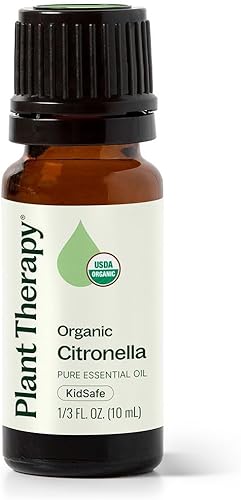 🍋 Fragrance oils Citronella oil Citronella oil is the star of classic patio candles: a fresh, lemony, grassy scent we all associate with summer evenings and dinners outside. See guide →
 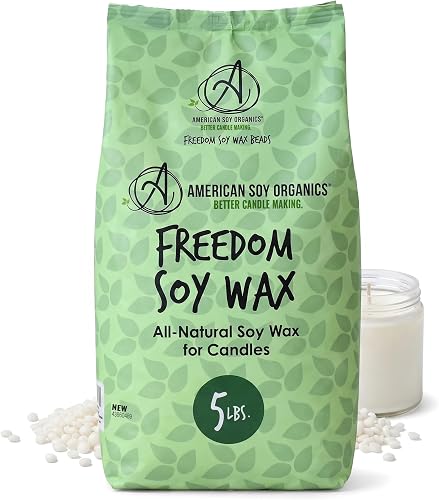 🫘 Waxes Soy wax Soy wax is the go-to natural wax for container candles: creamy, beginner-friendly and known for a slow, clean burn. See guide →
 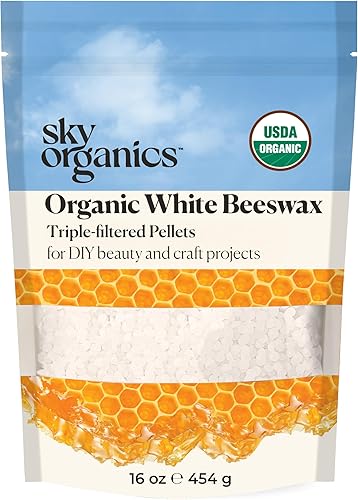 🐝 Waxes Beeswax Beeswax is the original natural candle wax: it burns for hours with a golden flame and smells softly of honey even without added fragrance. See guide →
  💆 Waxes Massage candle wax Massage candle wax melts close to body temperature and turns into a warm, silky oil you can pour onto the skin. See guide →
  🟤 Containers Amber glass candle jars Amber glass jars give homemade candles a warm apothecary look and help protect fragrance and color from light. They work just like clear jars, with a few details worth knowing. See guide →
 Frequently asked questions
Why doesn’t my essential oil candle smell?
Usually because the oil was added to wax that was too hot, the blend was mostly top notes, or the candle wasn’t cured long enough. Try a base-note oil and a longer cure.
How much essential oil should I use in a soy candle?
Typically 6–10% of the wax weight, without going over your wax’s stated maximum. Always weigh it rather than counting drops.
Are essential oils better than fragrance oils?
Not necessarily. They’re more natural, but they throw less and offer a narrower range of scents. It depends on what you’re after.
Are essential oil candles safe around pets?
Some oils can bother dogs and cats. Ventilate well, don’t burn candles in small closed rooms with pets, and ask your vet if you’re unsure.